Wondering why one Singer Island condo sells quickly while another sits, even when they seem similar on paper? If you are getting ready to sell, pricing can feel especially tricky here because buyers are not just comparing square footage or finishes. They are also weighing the view, the floor, the building, and the association. This guide will help you understand how a smart pricing strategy works for a Singer Island condo and what you can do to position your property well from day one. Let’s dive in.
Why Singer Island pricing is different
Singer Island is not a typical Palm Beach County condo market. Countywide, June 2026 condo data showed a median sale price of $325,000, a median 68 days to contract, 107 days to sell, 93% of original list price received, and 7.2 months of supply. That gives useful context, but it does not reflect how buyers evaluate a premium coastal condo submarket like Singer Island.
Directional public market snapshots show Singer Island well above the county baseline. Realtor.com reported a median listing price around $899,000, while Redfin showed about $799,000, along with longer days on market and modest offer activity. The gap between those numbers is exactly why broad online estimates should not drive your list price.
On Singer Island, the details matter more than the averages. A high-floor direct-ocean unit can compete in a very different price band than a lower-floor unit with an oblique view, even in the same general area.
What buyers actually pay for
When buyers look at Singer Island condos, they are usually pricing four things at once:
- The view tier
- The floor height
- The building’s age and quality
- The association’s financial and inspection profile
Interior updates still matter, but they are rarely the full story. In this market, a sleek kitchen or renovated bath can help your condo stand out, yet buyers often place equal weight on the tower itself.
Local luxury market research points to major pricing differences by view and building type. Direct-ocean high-floor units can trade at a very different price per square foot than oblique-ocean units or older legacy towers. Newer buildings also tend to command a much different price level than many 1970s and 1980s towers.
View and floor can change everything
If your condo has a direct-ocean view, that is one of your strongest value drivers. Higher floors often bring wider views, more light, and a stronger emotional reaction from buyers. On Singer Island, that can create a meaningful pricing premium.
That does not mean every upper-floor unit should be priced aggressively. The premium has to be supported by recent comparable sales, current competition, and the building’s overall profile. Still, when sellers ask whether floor height really matters here, the answer is usually yes.
Building age matters more than many sellers expect
A common pricing mistake is focusing too much on the unit and not enough on the building. On Singer Island, buyers are often comparing not just finishes but also the age, construction era, amenities, and perceived maintenance profile of the tower.
Newer buildings can attract buyers willing to pay more for contemporary systems, newer common areas, and a different ownership experience. In older towers, value can still be strong, but buyers may be more cautious if they believe future costs or building updates could affect ownership.
That is why your pricing strategy needs to reflect where your condo fits in the context of its own building first, not just the island as a whole.
Association health now affects value
In Florida, condo buyers are paying close attention to association documents, reserves, inspections, and possible assessments. State law requires milestone inspections for certain residential condominium buildings that are three habitable stories or higher, along with structural integrity reserve studies on the required schedule. For budgets adopted on or after December 31, 2024, unit-owner-controlled associations generally cannot waive or reduce required reserves for listed structural items.
For sellers, this matters because association health has become part of the value story. If a buyer sees weak reserves, a looming assessment, or missing required reports, they may price that risk into their offer. In some buildings, that can limit what a beautifully updated unit can command.
Just as important, Florida contract disclosures must flag when a required milestone inspection, turnover inspection report, or structural integrity reserve study has not been completed. That means preparation is not only helpful for marketing but also important for a smooth transaction.
Why renovations do not tell the whole story
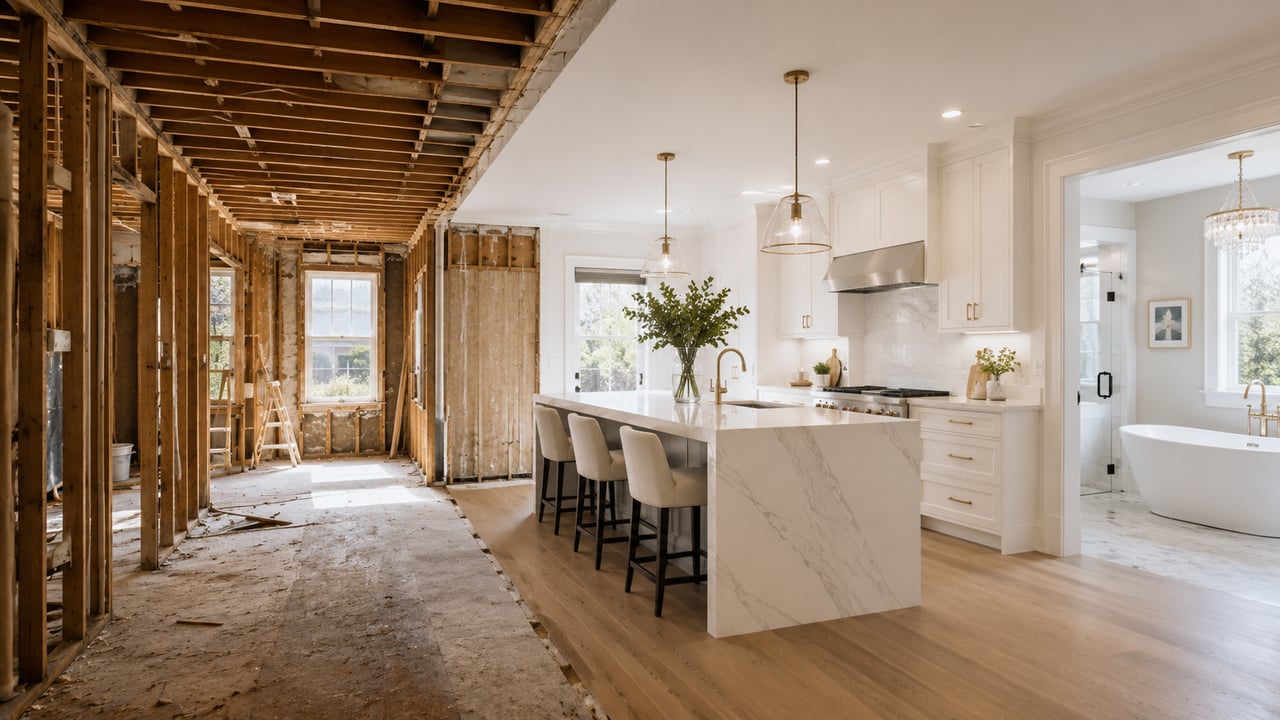
It is easy to assume that a renovated condo should always command top dollar. On Singer Island, updates can absolutely improve appeal, help photos stand out, and make a unit feel move-in ready. That can support stronger interest and better negotiation.
But in many legacy towers, renovation premiums are often capped by building-level concerns. Buyers may appreciate the finishes, yet still adjust their valuation if the association profile creates uncertainty. In other words, your unit may be turnkey, but the buyer is still underwriting the full ownership picture.
How a smart CMA should be built
A strong pricing strategy starts with a comparative market analysis that is built specifically for Singer Island condo inventory. The most useful process is layered, not broad.
A solid CMA should generally start here:
- Closed sales in your same building
- Sales from the same line or stack when possible
- Comparable sales with a similar floor and view tier
- Only then, nearby buildings with truly similar age, HOA profile, and amenities
This matters because countywide or island-wide averages can blur the real differences between one condo and another. On Singer Island, a penthouse or trophy unit can skew pricing expectations if it is treated like a standard comparable.
Median sale price is often a better summary tool than average sale price in a market where a few very high-end sales can distort the picture. That helps keep your pricing grounded in what typical buyers are actually paying for comparable product.
Closed sales anchor the price
Recent closed sales should be your main pricing anchor because they show what buyers were willing to pay. These are the best evidence of market value, especially when they match your building, line, and exposure.
If the last strong sale in your tower closed months ago, your pricing still needs context. Market conditions shift, and today’s active competition may be telling a different story than yesterday’s closing data.
Pending sales show where demand is heading
Pending contracts are also important because they can act as a leading signal. They help show where buyer demand is moving before that trend appears in the closed sales data.
For example, if comparable units are going pending at a certain level, that can support your strategy even if the most recent closing was lower. If similar listings are sitting without activity, that may signal the market is resisting current asking prices.
Active competition keeps you honest
The condos competing with yours right now are part of your pricing conversation. Buyers will compare your property against available options in real time, not just what sold last quarter.
That means your list price should reflect the current shelf you are sitting on. If a nearby competing unit offers a stronger view, newer building, or lower perceived association risk at a similar number, buyers will notice quickly.
Key adjustments that shape list price
When pricing a Singer Island condo, the most common adjustment categories include:
- View and floor height
- Building age and structural profile
- HOA dues and assessment exposure
- Condition and turnkey readiness
Each one affects how buyers compare value. The best pricing strategy makes these adjustments openly and carefully rather than relying on a simple price-per-square-foot shortcut.
Why overpricing usually backfires
It can be tempting to test the market, especially if your condo feels special. The challenge is that Singer Island buyers are usually well informed, and many are comparing multiple buildings at once.
Countywide, condos sold for a median 93% of original list price in June 2026. Public snapshots on Singer Island have shown sale-to-list ratios around 91% to 92%. That suggests correct pricing matters more than aspirational pricing, particularly in a market where buyers are already weighing building-level risk alongside the unit itself.
An overpriced condo can lose momentum early. Once a listing sits, buyers may assume there is a pricing problem or start looking harder at the building and association details.
What to prepare before you list
Before your condo goes live, it helps to prepare a clean pre-listing package that supports both value and transparency. In this market, documentation can strengthen buyer confidence.
Your pre-listing packet should include, where applicable:
- Current budget and reserve information
- Any known or anticipated assessment notices
- Any available inspection summary
- Required disclosures related to milestone inspections or reserve studies
This is not just paperwork. For many Singer Island buyers, these materials are part of the due diligence process that shapes the offer price.
The best pricing strategy is layered
There is no single island-wide number that tells you what your condo is worth. Singer Island pricing is more like a decision tree, where each branch can raise or lower value.
Your view matters. Your floor matters. Your updates matter. But your building’s age, reserve profile, and inspection status may matter just as much.
That is why the strongest sellers take a balanced approach. They combine precise comps, realistic adjustments, and a clear presentation of the condo’s value story. When pricing is backed by data and paired with polished marketing, you give your property the best chance to attract serious buyers and strong offers.
If you are thinking about selling and want a pricing strategy tailored to your building, your line, and today’s competition, Joel Poulin can help you build a data-driven plan with the high-touch guidance and premium marketing your Singer Island condo deserves.
FAQs
How should you price a Singer Island condo for sale?
- Start with recent closed sales in your same building, then compare line, floor, view tier, building profile, and current competition before setting a final list price.
Do high floors increase Singer Island condo value?
- Often, yes. Higher floors can carry a pricing premium, especially for direct-ocean units, but that premium still needs support from comparable sales and building-specific factors.
Do renovations always raise a Singer Island condo’s sale price?
- Not always. Updates help marketability, but buyers may still discount value if the building has reserve concerns, inspections outstanding, or possible assessments.
Why are portal estimates unreliable for Singer Island condos?
- Public portals can show very different price snapshots because their samples and methods vary, so building-specific comparable sales and pending activity are usually more reliable.
What condo documents matter when selling in Singer Island, Florida?
- Buyers often focus on budgets, reserve information, assessment notices, and any available inspection or disclosure materials related to milestone inspections and structural reserve studies.