Watch the full video breakdown on Youtube.
The home renovations least likely to return their cost are luxury kitchen gut-renovations, over-built spa bathrooms, whole-house smart-home systems, and swimming pools outside warm-climate markets — each typically recoups well under half of what it costs, and several can actively make a home harder to sell. Most renovations are pitched as investments. Many of them are not.
As a real estate agent, these are the ten upgrades I most often see homeowners regret, with the resale math behind each — followed by the projects that reliably add value in 2026.
Which home renovations have the worst return on investment?
The worst-returning renovations tend to be the most expensive and the most personal: high-end kitchen and bathroom gut jobs, single-purpose rooms, and upgrades that remove something buyers expect (a garage, a bedroom, a bathtub). Here they are from #10 to #1.
#10 — Is an outdoor kitchen worth building?
In a warm climate, yes — but keep it relatively simple. The National Association of Realtors reports that most agents view an outdoor kitchen as a top resale feature, and a well-built basic version recoups a healthy share. The regret is over-building it. A grill island with good counter space and durable cabinets (roughly $8,000–$15,000) captures most of the buyer appeal.
#9 — Do whole-house smart-home systems add value?
Basic features do; whole-house automation usually doesn't. Buyers like an inexpensive smart thermostat, video doorbell, and smart locks. The regret is the expensive, proprietary whole-house system: technology dates faster than almost any structural improvement, and buyers won't pay a premium for a complex platform they have to learn — some ask to have it removed entirely.
#8 — Does a spa bathroom remodel pay off at resale?
An updated bathroom helps sell a home, but a remodel typically returns only about 50% to 75% of its cost — and the more lavish it gets, the worse the ratio. Spend $40,000 to build a spa retreat and you often get about half of it back. Update it, but keep it within reason.
#7 — Is a home theater room worth it?
Rarely, anymore. Once aspirational, a single-purpose theater room now reads as dated to many buyers when a quality TV and a streaming app do the same job. It also removes a flexible room that buyers would rather use as a bedroom, office, or bonus space — and flexible space is what sells.
#6 — Do trendy finishes hurt resale value?
They can. In surveys, the single most-regretted design move is the accent wall, with about 43% of homeowners wishing they hadn't done it; bold cabinet colors and dramatic wallpaper aren't far behind. Keep the permanent, expensive elements neutral and express your style through things you can change in an afternoon — paint, art, pillows, fixtures.
#5 — Should you combine or remove a bedroom?
Almost never, if resale matters. Bedroom count is one of the first filters buyers search by and a key input for appraisers. Converting a fourth bedroom into a walk-in closet or merging two rooms can drop your home into a lower-priced search bracket entirely — wiping out more value than the upgrade added. If you need the space, try to find it without subtracting a bedroom.
#4 — Does converting a garage hurt resale value?
Often, yes. Buyers want parking and storage, and in many family markets a missing garage is a dealbreaker that filters your listing out before a showing. Conversions are also frequently unpermitted, which surfaces at inspection and leaves you explaining unpermitted work to a nervous buyer and their lender. A converted garage rarely adds back what the garage was worth.
#3 — Should you remove your only bathtub?
Convert a second bathroom to a walk-in shower all you like — but don't remove the last tub in the house. Appraisers and agents consistently advise keeping at least one bathtub, because families with young children typically expect one, and a home with zero tubs loses a meaningful segment of buyers. Leave one tub standing somewhere and the resale concern largely disappears.
#2 — Does a swimming pool add value to a home?
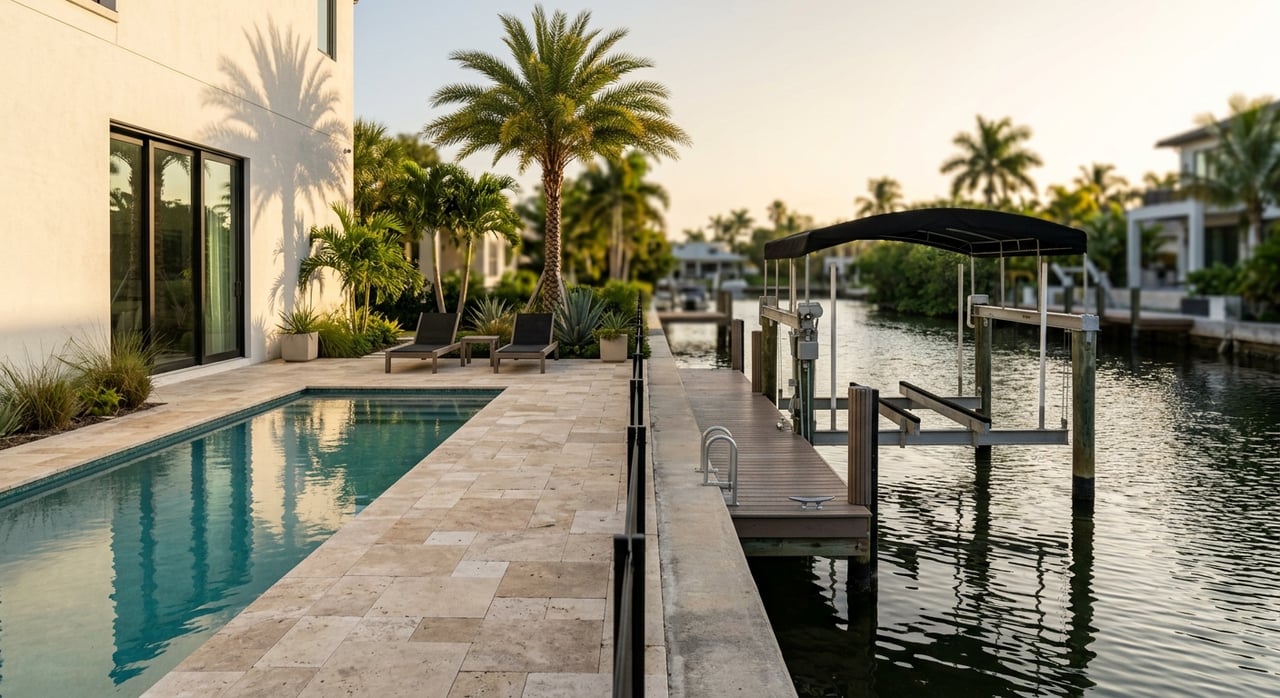
It adds value, but not always what it costs to build. Nationally, an inground pool adds roughly 5% to 8% of a home's value — 10% to 15% or more in warm Sun Belt markets like Florida, where buyers expect one — but the return on build cost is typically 40% to 60%. Factor in maintenance, insurance, and the buyers who avoid pools (parents of toddlers, retirees who don't want the upkeep), and outside a warm climate a pool can shrink your buyer pool. Above-ground pools rarely add value at all. Build a pool to enjoy, not only for an expected return.
#1 — Is a luxury kitchen gut-renovation worth it?
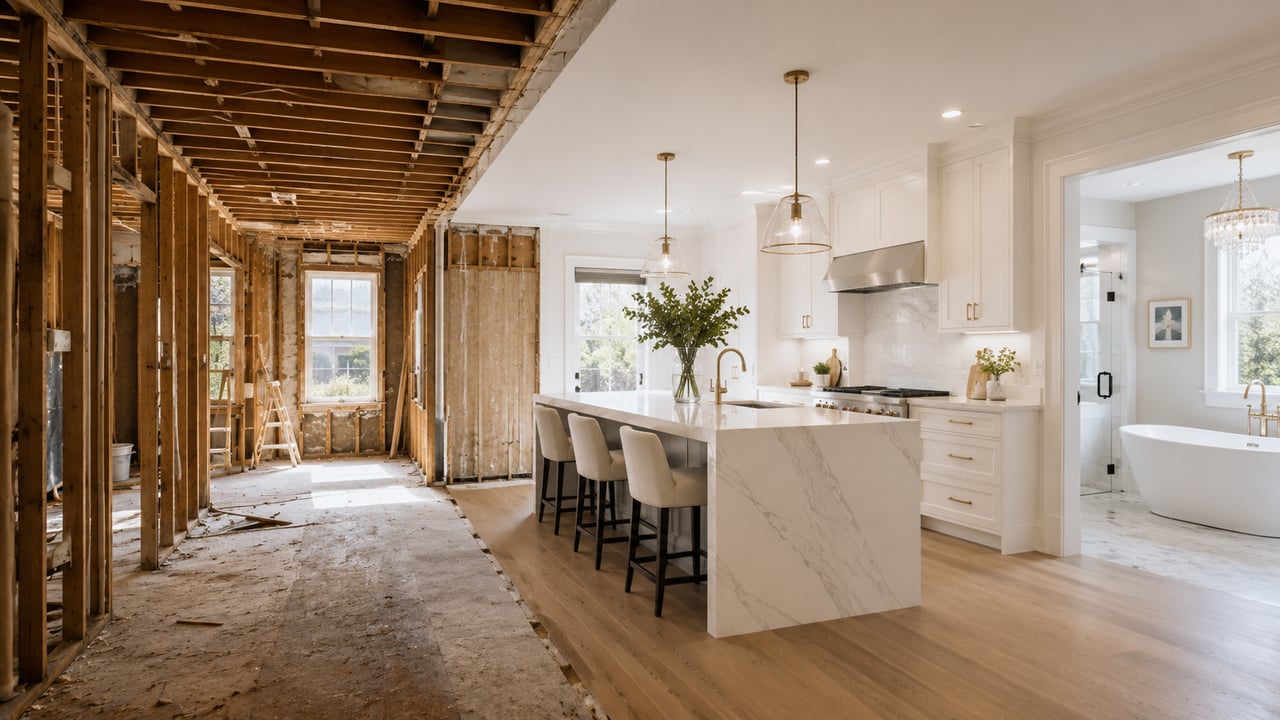
This is the most regretted renovation in survey after survey. Kitchens sell homes, which is exactly why owners overspend on them. A minor, smart refresh — new counters, hardware, paint, updated appliances — can return over 100%. But a full luxury gut, with a commercial range, imported stone, and custom everything taken to the studs, typically returns under 50% and is the easiest place in a home to over-improve past the neighborhood's value.
What home improvements actually add the most value?
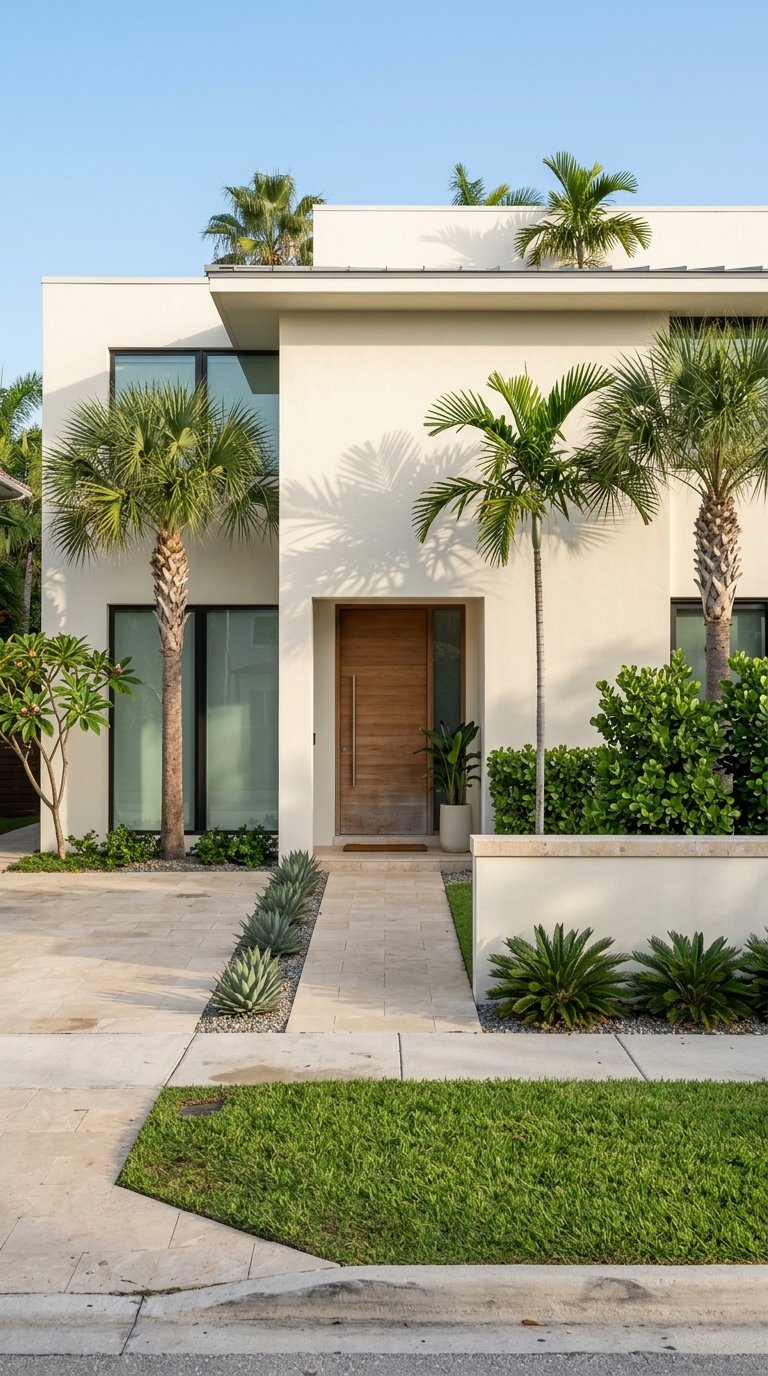
The highest-return projects in the country are consistently the unglamorous, exterior ones. Garage door replacement has recouped more than its full cost two years running and steel entry doors, manufactured stone veneer, and general curb appeal round out the top of the list — eight of the ten best-ROI projects are exterior replacements. Inside, a minor kitchen refresh beats a full gut on return.
Should you renovate for yourself or for resale?
There's a real difference between renovating to live and renovating to sell. If the goal is resale value, the smartest first move is free: ask an agent who sells in your specific market what local buyers actually pay for before you spend a dollar, because the answer changes by region.
Thinking through a renovation before you buy or sell in Palm Beach County? Let's talk it through: 561-818-2441.
Frequently asked questions about home renovation ROI
What home upgrade has the worst return on investment?
Major upscale kitchen gut-renovations are among the worst, typically returning under 50% of their cost. Over-built bathrooms, swimming pools outside warm-climate markets, and expensive whole-house smart-home systems also tend to recoup poorly.
Does a swimming pool add value to a home?
An inground pool adds roughly 5% to 8% of value nationally, and more in warm Sun Belt markets, but the return on build cost is usually only 40% to 60%. Maintenance, insurance, and buyer preferences can offset the gain, and above-ground pools rarely add value.
Is a luxury kitchen remodel worth it?
A minor kitchen refresh can return over 100% of its cost, but a full luxury gut renovation typically returns under 50% and is the most commonly regretted renovation, largely from overspending and over-improving for the neighborhood.
Do smart home systems add resale value?
Basic features like smart thermostats, video doorbells, and locks can help a home feel updated, but expensive whole-house automation systems often don't recoup their cost — the technology dates quickly and many buyers won't pay a premium for a complex, proprietary platform they have to learn.
Does converting a garage hurt resale value?
Often, yes. Buyers value parking and storage, and a missing garage can be a dealbreaker in many markets. Unpermitted conversions can also create problems at inspection.
What home improvements actually add the most value?
Exterior replacements lead: garage door replacement, steel entry doors, manufactured stone veneer, and curb appeal, plus a minor kitchen refresh. Eight of the ten highest-ROI projects are exterior.
What is the most regretted home renovation?
Surveys repeatedly point to the kitchen remodel as the most regretted, driven by overspending. The most-regretted lower-cost design choice is the accent wall.
📞 561-818-2441 · soldwithjoel.com
📺 More on our Youtube Channel for the latest updates:
Download: Red Flag Homebuyer Checklist