Palm Beach coastal homes are special. Salt air, strong sun, tides, and storms all shape how these properties age and how buyers judge risk. A smart pre‑listing plan helps you sell faster, cut back‑and‑forth after inspections, and protect your price.
This guide gives you a practical, local checklist tailored to Palm Beach. You will see what to inspect, what to repair now vs. disclose, which documents to gather, how insurance and flood rules affect your sale, and a simple 8‑week timeline. If you want white‑glove help, I can build a custom plan for your address.
Quick at‑a‑glance checklist (printable summary)
- Roof and wind protection checks (roof cert, wind‑mit report, impact openings). Priority: High
- Flood zone and elevation docs (FEMA map, Elevation Certificate). Priority: High
- Seawall or shoreline condition and permits, if waterfront. Priority: High
- 4‑Point and recent system reports (HVAC, electrical, plumbing). Priority: High
- Permit history and survey/easements (Lake Trail, shoreline). Priority: Medium
- HOA or condo disclosures and any special assessments. Priority: High for condos
- Staging, curb appeal, and pro media plan. Priority: High
- Pricing & comps by property type and seasonality. Priority: High
Tip: Want a tailored plan and CMA for your home and timeline? Schedule your complimentary listing consultation & market snapshot.
Structural & systems checks unique to coastal properties
Palm Beach buyers and insurers focus on wind, water, and salt exposure. Document condition up front and you reduce surprises later.
- Roof and gutters - High
- What to do: Schedule a roof inspection and obtain a roof certification that notes age and remaining life. Clean gutters and check scuppers and downspouts.
- Why it matters: Florida insurers weigh roof age and condition heavily. State law limits nonrenewal solely due to roof age under 15 years, and owners of older roofs can use a qualifying inspection to assess useful life. Credits for wind‑resistant features can lower premiums. See Florida statute on roof and insurance rules.
- Windows, sliders, and doors - High
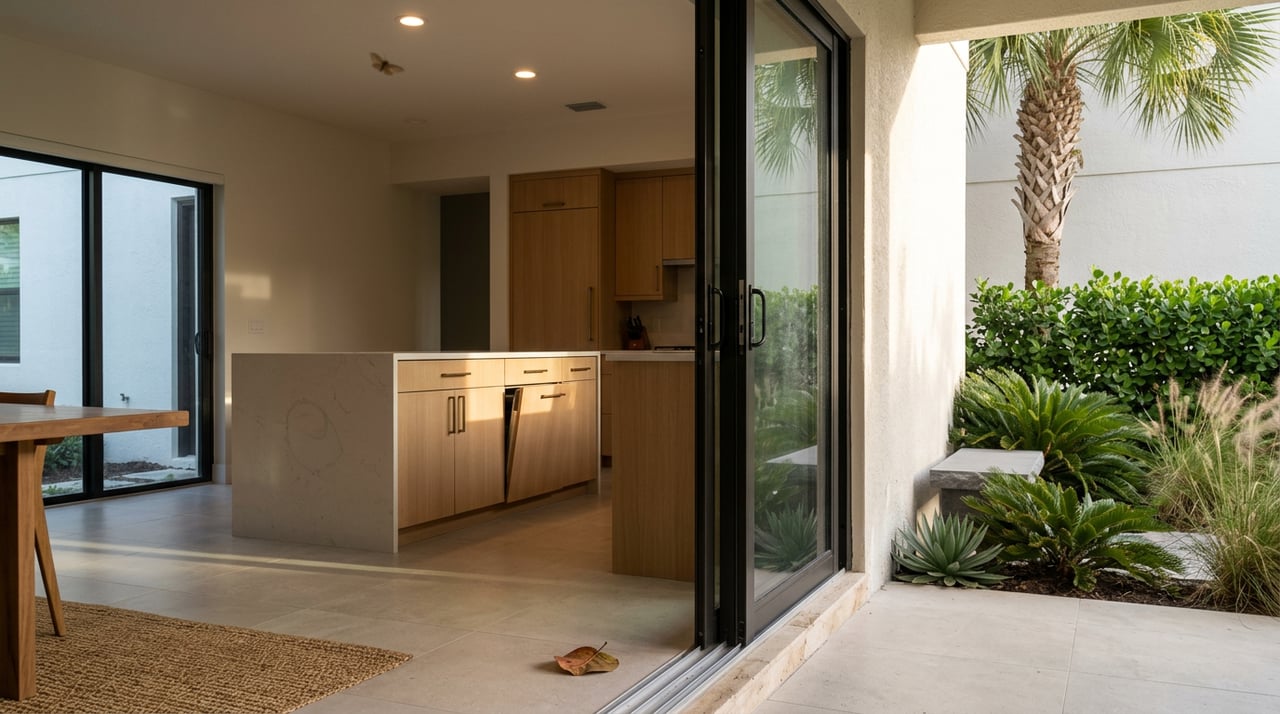
- What to do: Confirm impact rating or document shutters. Inspect weather seals, slider tracks, and hardware for corrosion. Service sticky sliders.
- Why it matters: Proper opening protection supports wind‑mitigation credits on the standard OIR‑B1‑1802 form and boosts buyer confidence.
- Exterior materials and fasteners - Medium
- What to do: Look for rusted fasteners, peeling paint, hairline stucco cracks, wood rot on decks and trim, and rail or stair corrosion. Touch up paint and address obvious corrosion.
- Why it matters: Salt air speeds corrosion that can show up on inspections. Small fixes have outsized impact on perceived care.
- Seawalls, bulkheads, and shoreline defenses - High for waterfront
- What to do: Order a seawall or bulkhead condition report, gather ownership and permit history, and photograph the entire wall, cap, and tie‑backs. Note any settlement, sinkholes, or missing cap sections.
- Why it matters: Repairs can be costly and often need local and state permits under Florida’s Coastal Construction Control Line program. Review basics at Florida DEP’s CCCL page. The Town is also planning resilience work, including seawall upgrades, tied to its “Level Up Palm Beach” efforts informed by Woods Hole Group modeling. See an overview of their coastal flood risk work at Woods Hole Group.
- HVAC, ductwork, and pool equipment - High
- What to do: Service HVAC and pool equipment, replace corroded components, and save invoices. Salt can corrode fins, pumps, rails, and heaters.
- Why it matters: Buyers and insurers look for recent service and signs of salt‑air wear. Clean, serviced systems pass 4‑Point and reduce credits and concessions.
- Electrical and plumbing - High
- What to do: Check GFCI outlets, panel condition, bonding at the pool, and visible plumbing for corrosion. Label main shutoffs. Consider a licensed electrician and plumber to correct easy safety issues.
- Why it matters: Older panels or visible corrosion often trigger 4‑Point “fails” and insurance delays. Proactive fixes keep underwriting smooth.
- Pest and mold history - Medium
- What to do: Gather termite reports, tenting history, and any mold remediation records. If you had a leak or water event, pull the dry‑out report and clearance test.
- Why it matters: Florida’s new flood disclosure and general disclosure duties require honesty about prior water damage and remediation. Documentation calms buyer nerves.
- Elevators and gated‑community mechanicals (if applicable) - Medium
- What to do: Update service logs, warranties, and most recent inspections for elevators, gate systems, and dock lifts.
- Why it matters: These features are high value and high scrutiny. Clean records help appraisers and insurers.
Legal, insurance and document prep before listing
Getting the paperwork right up front saves weeks later.
HOA and condo documents - High for condos Request recent budgets, reserves, minutes, rules, estoppel requirements, and any planned special assessments. The Town’s Shore Protection Board updates can inform association seawall plans. See boards and commissions at the Town of Palm Beach.
Permits and certificates for past work - High Pull permits and finals for roof, additions, pool, elevator, and seawall. Town development review and ARCOM govern many visible exterior changes. Review submittal paths at the Town’s Development Review page.
Flood zone status and elevation - High Check your parcel on Palm Beach County’s FEMA map lookup and save a printout. Locate your Elevation Certificate or order one from a licensed surveyor. Learn what an EC does. County map tools are at Palm Beach County FEMA Maps and Town prelim panels at the Town flood map page.
Required flood disclosure - High Florida now requires a seller flood disclosure at or before contract. Be ready to state known flood damage, claims, and assistance received. See statute language at the Florida Senate.
Title, survey, and easements - Medium Obtain a current survey or locate your last one. Check for encroachments and public easements like the Lake Trail or shoreline access. Review coastal protection context at the Town’s Coastal Protection page.
Recent inspection reports and service contracts - Medium Gather termite, roof, HVAC, pool, and elevator reports, plus warranties. Many insurers request a 4‑Point on older homes; plan ahead.
Pricing, comps and buyer targeting for Palm Beach coastal listings
Price with precision and explain your property’s risk and resilience story. That mix attracts serious buyers and supports your number.
Use a layered CMA - High Compare waterfront vs. near‑coast, condo vs. single‑family, and adjust for condition, view, dock depth, lift capacity, garage, and age of systems. Call out wind‑mitigation features, roof age, and any Elevation Certificate advantages. If your FEMA zone or BFE changed with late‑2024 map updates, note it. FEMA and Palm Beach County published revised flood maps that became effective in 2024; sellers should verify parcel status on county tools like PBC FEMA Maps.
Seasonality and timing - Medium Demand rises in season when more lifestyle and second‑home buyers are in town. If you are targeting a peak window, align photography, repairs, and launch date so you go live show‑ready.
Target buyer profiles - Medium Primary buyers want safety, insurance clarity, and low operating costs. Second‑home buyers want turnkey and lifestyle. Investors want clean inspections and predictable insurance. Adjust copy, feature order, and showing strategy to fit the likely buyer.
How pre‑listing checks boost net proceeds - High When you deliver clean reports and documentation, buyers spend less time negotiating risk. You can often avoid large repair credits and hold your list‑to‑sale ratio.
Repairs now vs. pricing for as‑is - High Complete safety, insurance, and obvious corrosion fixes before market. For larger projects like seawall replacement or roof replacement near end‑of‑life, weigh timing and cost against expected days on market and buyer pool.
Presentation & marketing readiness for coastal lifestyle buyers
Great presentation meets buyers where they shop: online first, then in person.
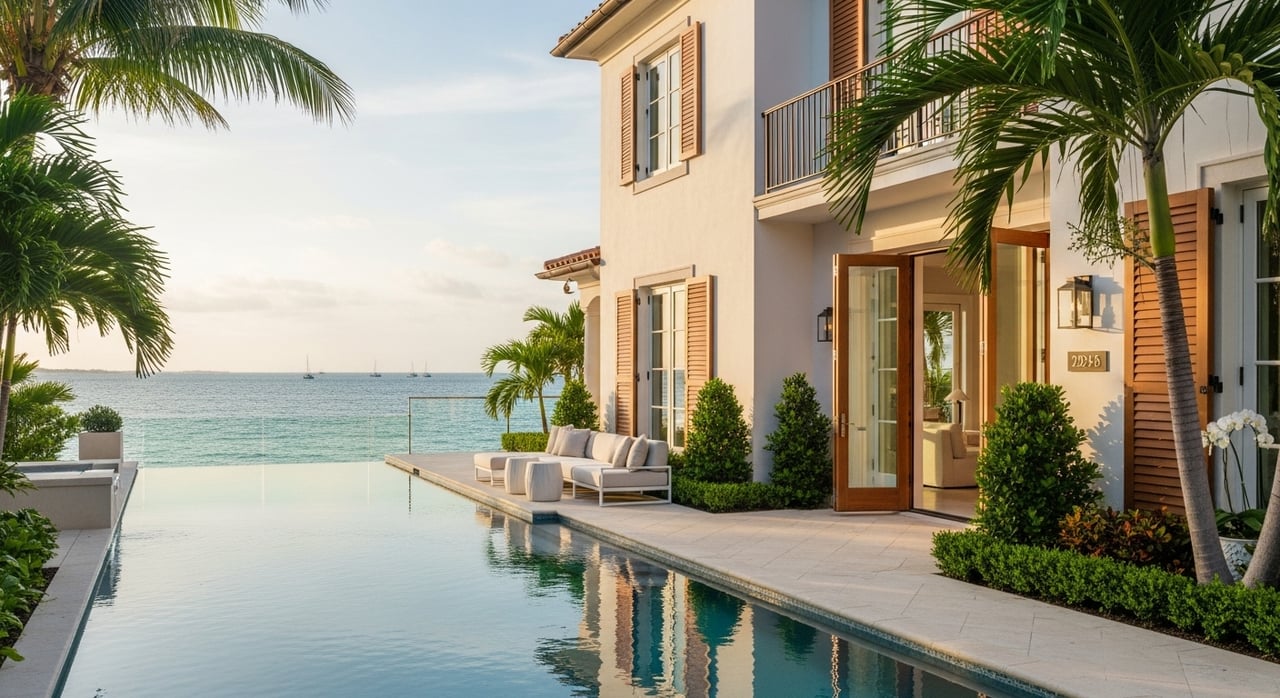
Staging that sells the lifestyle - High Emphasize indoor‑outdoor flow, views, and light. Use a clean, coastal palette. Highlight balconies, loggias, docks, and pool decks. Remove rusted or weathered outdoor items and refresh soft goods.
Professional media plan - High Book pro photography and video when skies are clear. Schedule twilight images for waterfront glow and reflections. Add a narrated video or virtual tour for remote buyers.
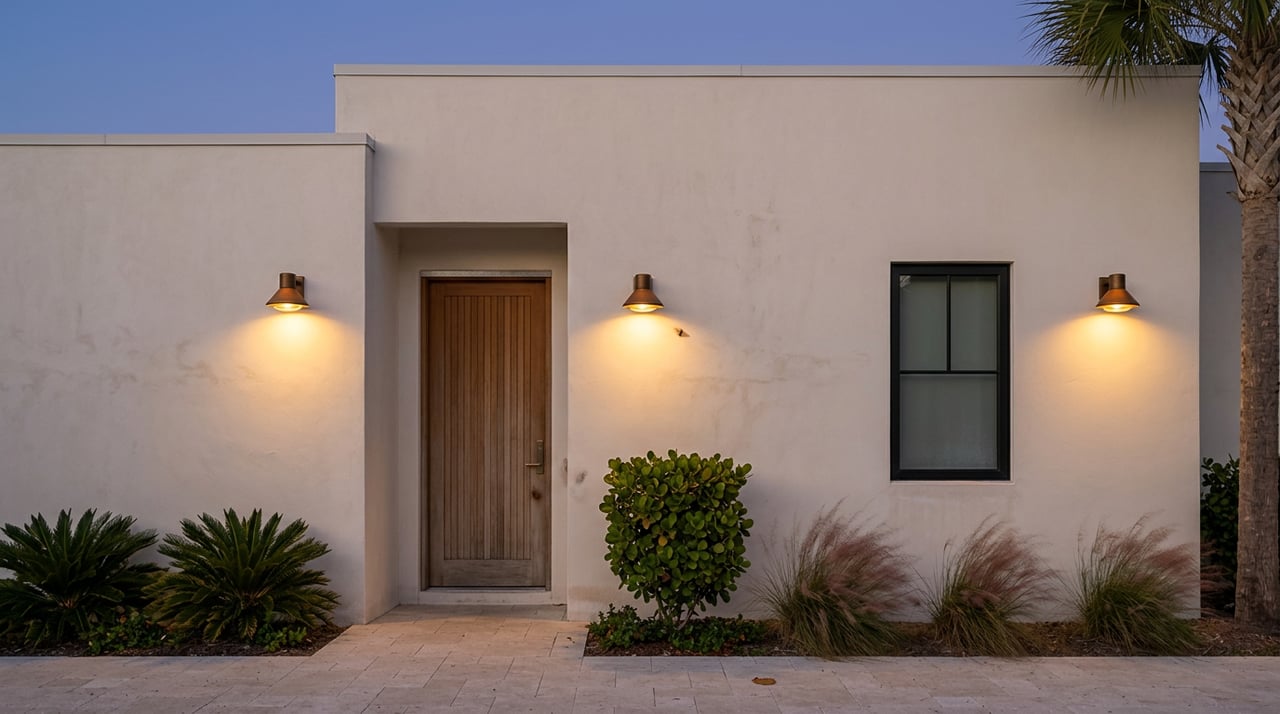
Curb appeal and landscape - Medium Pressure wash pavers and pool deck, clean glass railings, polish door hardware, add potted greens, and tune exterior lighting. Tidy the dock and coil lines.
Showing logistics - Medium Provide keys to all areas, label remotes, set a simple parking plan, and prep for pets. Offer a virtual showing option for out‑of‑area buyers.
Messaging that stays factual - Medium Use crisp bullets for beach access, boating, walkability, and nearby dining. Keep claims verifiable. If you note flood or insurance positives, link to documents in your disclosure packet.
Prioritizing repairs and estimating costs — a seller’s decision map
Use simple rules to decide what to fix now versus disclose and price around.
High‑ROI fixes before listing Safety items, insurance triggers, and visible wear: GFCI repairs, corroded railings and fasteners, minor stucco and paint touchups, HVAC tune‑up, pool service, slider track and seal repairs, exterior lighting fixes.
When to credit instead of repair If a major item is near end‑of‑life and scheduling will delay your launch, price with a transparent allowance. Provide bids so buyers see the path forward. This can be smart for big items like roof or full seawall replacement if timing is tight.
Honest presentation wins Be clear in the listing and disclosures about known conditions and fixes you completed. Florida’s flood disclosure requires accuracy on past flooding and claims, which builds trust. See statute text at the Florida Senate.
Ballpark guidance, not exact costs Minor exterior paint touchups: low cost, high visual impact. HVAC tune‑up and coil cleaning: modest cost, strong inspection value. Pool service and equipment check: modest cost, improves buyer impression. Full figures vary by scope and vendor, so use recent bids.
8‑week pre‑listing timeline & logistics checklist
Use this roadmap to stay on track.
Weeks 6 to 8
- Confirm FEMA zone and print county map page. Order an Elevation Certificate if you do not have one. Learn about Elevation Certificates.
- Book roof cert, wind‑mit, and 4‑Point if the home is older or your insurer requires it.
- For waterfront, schedule a seawall inspection and gather any Florida DEP or Town permits. Review CCCL basics at Florida DEP.
- Pull permit history, survey, HOA or condo docs, and flood disclosure form.
Weeks 3 to 5
- Complete priority safety and insurance‑related repairs.
- Service HVAC and pool, address corrosion touchups, refresh paint where needed.
- Book staging and professional photography and video.
Weeks 1 to 2
- Final clean and declutter. Test all lights and fans. Label shutoffs and remotes.
- Prepare disclosure packet: flood disclosure, FEMA zone printout, EC, roof cert, wind‑mit, 4‑Point, seawall report, permits, service records, survey, HOA docs.
- Finalize pricing and marketing copy tailored to your target buyer.
Launch day
- Seller: set thermostat, lights, shades, and soft music. Secure valuables. Provide keys and access codes.
- Agent: activate listing syndication, publish media, execute email and social plan, and start targeted outreach to likely buyer pools.
What changed with flood risk and why sellers should care
FEMA and Palm Beach County updated flood maps that took effect in 2024. Some parcels shifted into higher‑risk zones that can affect lender requirements, insurance, and Base Flood Elevations. Verify your property’s current status on the county’s FEMA Maps and the Town’s preliminary panels.
Regionally, sea level is projected to rise, leading to more frequent high‑tide or “sunny day” flooding and higher storm surge over time. NOAA reports the U.S. coastline could see up to a foot of rise by 2050, which informs local planning and buyer expectations. See NOAA’s summary at noaa.gov. The Town’s “Level Up Palm Beach” resilience planning uses these types of projections to guide future policy and capital projects. Review coastal risk modeling at Woods Hole Group.
Insurance markets also change. Citizens Property Insurance remains important for some owners, and recent reforms and market shifts have affected rates and availability. Underwriting now leans heavily on roof age, wind‑mitigation features, and prior claims. Pre‑check likely premiums and gather inspection reports that carriers use. See recent market context at Axios.
Your seller document pack checklist
Pull these before you list so buyers and underwriters can move quickly.
- Florida seller flood disclosure and any flood claim history. See statute text at the Florida Senate.
- FEMA zone printout and Elevation Certificate. County tools at PBC FEMA Maps and EC info at FEMA Elevation Certificate.
- Roof certification and wind‑mitigation report (OIR‑B1‑1802). Statutory context at the Florida Senate.
- Seawall or bulkhead inspection and permit records. Review CCCL context at Florida DEP.
- 4‑Point inspection if requested or for older systems.
- HVAC, pool, and structural service records and any mold remediation invoices.
- Permit files and municipal sign‑off for major work, current survey or plat, and HOA or condo documents. Town development process info at Development Review.
Conclusion — next steps and offer
A little preparation goes a long way in Palm Beach. When you confirm flood status, gather key reports, and address a few high‑impact fixes, you shorten time on market and protect your sale price. You also make buyers and insurers more confident, which reduces renegotiation risk.
Ready to move from plan to launch with a calm, proven process? Schedule your complimentary listing consultation & market snapshot with Joel Poulin. You will get a tailored CMA, a prioritized action plan for your property, and a marketing strategy built for coastal buyers.
FAQs
Q: Do I really need an Elevation Certificate if I already have flood insurance? A: Maybe. NFIP’s Risk Rating 2.0 does not always require an EC, but an EC can still support lower premiums and is sometimes needed for permits or map changes. See EC guidance at FEMA Elevation Certificate.
Q: How do I know if new FEMA maps changed my property’s zone? A: Look up your address on the county’s FEMA map tool at PBC FEMA Maps and review the Town’s preliminary panels. Save a copy for your disclosure packet.
Q: What is required in Florida’s flood disclosure? A: Sellers must state known flood damage, insurance claims, and any federal assistance received for flood damage. Provide accurate records. Review statute text at the Florida Senate.
Q: Which inspections do insurers most often ask for in Florida? A: Common requests include a roof certification, a wind‑mitigation report, and a 4‑Point inspection on older homes. These affect eligibility and credits.
Q: We are waterfront. What seawall paperwork should we provide? A: A recent seawall inspection with photos, any repair invoices, and state or Town permits related to the wall. Florida DEP regulates many shoreline works under the CCCL program. Learn more at Florida DEP.
Q: Will sea‑level rise affect my sale today? A: It affects buyer questions and insurance expectations today, and it can shape long‑term planning. NOAA projects up to a foot of rise by 2050. Being prepared with flood zone status, an EC, and resilience features helps buyers feel confident.
Q: We made past repairs after a leak. How should we present that? A: Disclose it and include remediation invoices, dry‑out reports, and any clearance tests. Clear documentation builds trust and speeds underwriting.