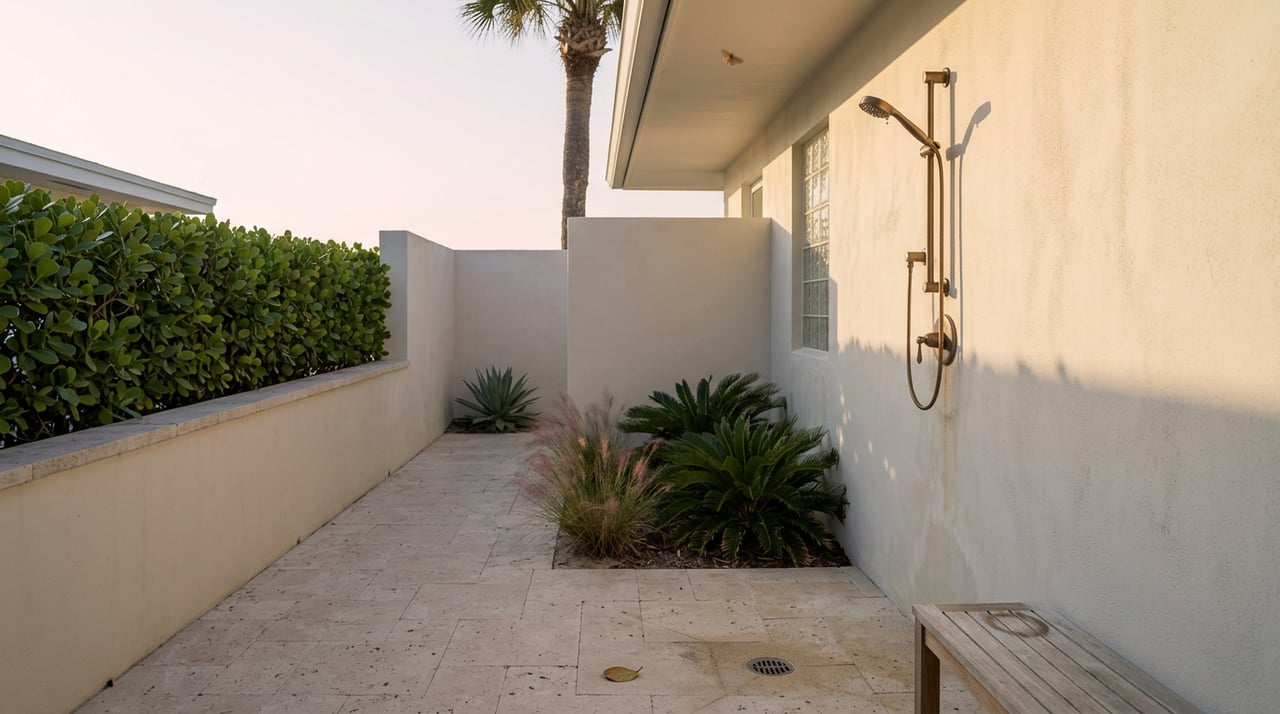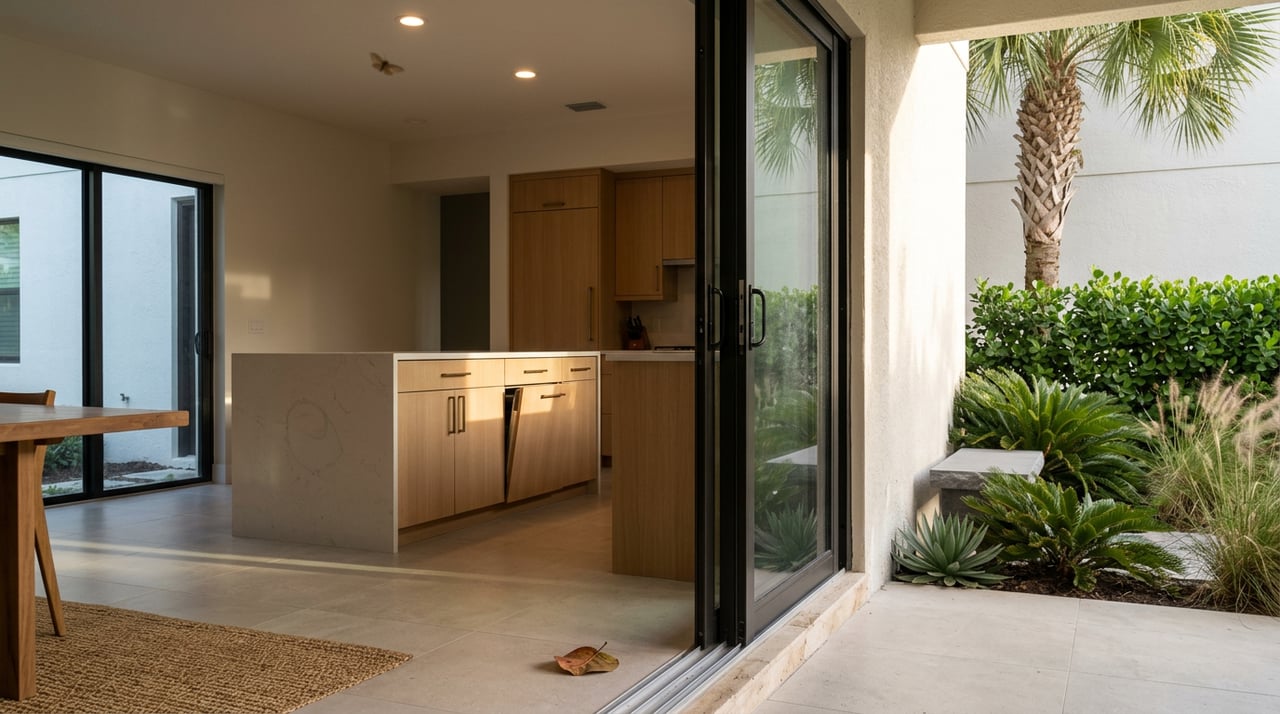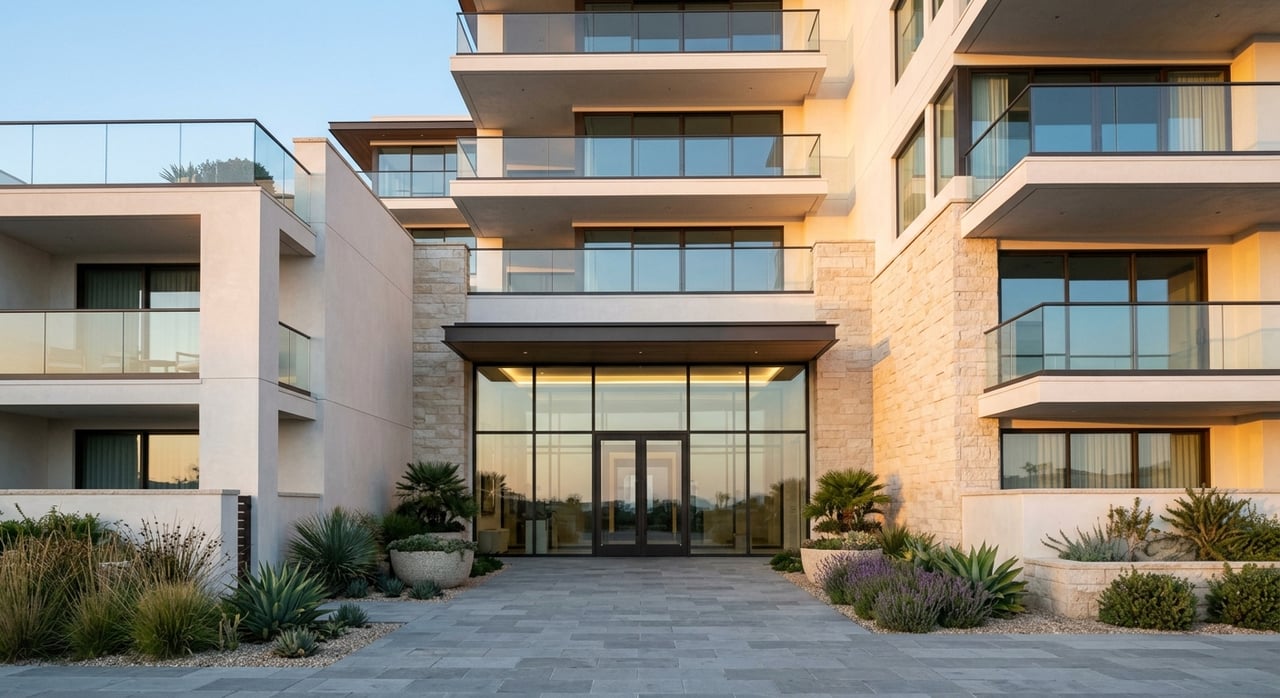
If you are thinking about buying a condo in North Palm Beach as a rental property, it is easy to get distracted by water views, marina access, or a beautiful lobby. But rental potential usually comes down to a simpler question: Will this specific condo produce stable income after all the real costs and restrictions are factored in? If you want to invest with more confidence, you need to look past the listing photos and study the building, the rules, and the numbers. Let’s dive in.
Start With North Palm Beach Rental Demand
North Palm Beach offers a unique mix of coastal lifestyle and practical access to Palm Beach County job centers. The village is about 9 miles north of West Palm Beach, and Palm Beach County’s transportation network includes I-95, Florida’s Turnpike, US-1, Palm Tran, Tri-Rail, Brightline, and Palm Beach International Airport. For a rental investor, that matters because tenant demand is often shaped by commute options and regional employment, not just scenery.
The local housing profile also gives you useful clues. According to the village and Census-based data, North Palm Beach has a strong owner-occupied base, smaller average household size, and a sizable population age 65 and older. That can make efficient one- and two-bedroom condos especially worth a closer look, particularly in buildings with straightforward ownership and leasing rules, as noted by the Village of North Palm Beach community overview.
Focus on Building Rules First
Before you model rent, check whether the condo is actually rental-friendly. In Florida, condo declarations and association documents can include restrictions on use, occupancy, transfer, and leasing. That means two units with similar finishes and similar views can have very different rental potential if one building has restrictive lease terms or cumbersome approval processes.
Under Florida condominium law, buyers are entitled to key association materials, including the declaration, bylaws, rules, financial information, milestone inspection summary, and the most recent structural integrity reserve study, or notice that one has not yet been completed. For investor purchases, these documents are not paperwork to skim. They are core underwriting tools.
When reviewing a building, pay close attention to:
- Minimum lease terms
- Limits on how often a unit can be rented
- Waiting periods before a new owner can lease
- Tenant application or approval requirements
- Any rules tied to marina, dock, or club-related amenities
A condo can look attractive on paper and still be a poor rental asset if the association creates too much friction.
Evaluate the Location Beyond Waterfront Appeal
North Palm Beach has strong lifestyle appeal, but you should still evaluate location through a tenant lens. Easy access to countywide employers, major roadways, and everyday services can support demand over time. Palm Beach County’s economy includes education, healthcare, government, tourism, construction, agriculture, aerospace, and energy, according to the county’s housing and economic planning report.
Public amenities are another plus. The village highlights Anchorage Park, Lakeside Park, and the publicly owned North Palm Beach Country Club as major community assets. For tenants, access to recreation, boating-related amenities, golf, tennis, pools, parks, and beach access can improve a property’s appeal even when the unit itself is not directly on the water.
That does not mean every condo will rent at a premium. It means you should compare each building’s location and amenity package against its real carrying costs and lease rules.
Study the Building’s Age and Inspection Status
In South Florida, older condos require extra care during due diligence. Florida law requires milestone inspections for buildings that are three habitable stories or more by the year they reach 30 years of age, and then every 10 years after that. Local enforcement can require the first inspection at 25 years in certain conditions, including saltwater exposure, under Florida Statute 553.899.
For North Palm Beach condos, that is a major issue because coastal conditions can increase wear over time. If a building has open inspection items, pending repairs, or uncertain timelines, your costs and financing options may change quickly. A lower purchase price does not always mean better value if major work is around the corner.
The village also provides Building and Zoning resources, including flood-zone and hurricane-evacuation-zone lookup links and condo inspection information. These checks are especially important if you are comparing older waterfront or Intracoastal-area buildings.
Review Reserves and Special Assessment Risk
A condo’s monthly dues only tell part of the story. You also need to know whether the association is funding reserves appropriately and whether owners may face future special assessments.
Florida law requires structural integrity reserve studies for qualifying buildings and generally restricts underfunding of required reserves for protected items after December 31, 2024, for owner-controlled associations. The reserve framework in Florida Statute 718.112 covers items such as:
- Roof
- Structure
- Fire protection systems
- Plumbing
- Electrical systems
- Waterproofing and exterior painting
- Windows and exterior doors
- Certain other deferred maintenance items above the statutory threshold
For an investor, this matters because surprise assessments can erase cash flow quickly. A building with healthy reserves, current studies, and a more transparent budget is often a better rental candidate than a cheaper building with artificially low dues.
Underwrite Taxes the Right Way
One of the most common mistakes investors make is assuming taxes will look like the seller’s bill. In Palm Beach County, that can be a costly error.
The Palm Beach County Property Appraiser notes that rental properties are considered non-homestead properties. These properties are subject to different tax treatment, and after a sale, a non-homesteaded property is reassessed at full market value in the following year. If you are buying a condo for rental use, your model should reflect non-homestead ownership, not owner-occupied assumptions.
That one adjustment can materially change your projected monthly cost.
Account for Insurance and Flood Exposure
Insurance deserves a dedicated review in any coastal condo purchase. Florida’s condo disclosure law specifically notes that standard homeowners policies do not cover flood damage, as stated in Florida Statute 718.503. In a market like North Palm Beach, flood exposure should be part of normal due diligence, not an afterthought.
This is one reason low HOA dues should not automatically impress you. If a building has deferred maintenance, incomplete studies, or exposure that could push future costs higher, your long-term carrying expense may look very different from today’s snapshot.
Compare All-In Costs to Realistic Rent
The best rental analysis usually starts with a simple comparison: what will the condo cost you each month, and what rent is realistically achievable for that specific building? You want to compare all-in monthly ownership cost against market rent, not just compare the purchase price to rough rental estimates.
Your all-in cost should generally include:
- Mortgage payment, if financed
- HOA dues
- Property taxes at non-homestead levels
- Insurance-related costs
- Expected maintenance or turnover expense
- Any known or likely special assessment exposure
The research for this topic notes that North Palm Beach rents can vary meaningfully by location and building quality, with a broad spread in asking rents. That is why rental rules, water views, amenity quality, inspection status, and reserve strength can all affect what you may actually be able to charge.
Watch for High-Friction Red Flags
Some condos create more operational risk than others. Even if the unit looks appealing, certain factors should push you to slow down and ask more questions.
Common red flags include:
- Open milestone inspection issues
- Structural integrity reserve study concerns
- Repeated special assessments
- Restrictive rental caps
- Long minimum lease periods that limit tenant turnover options
- Burdensome tenant screening or board approval processes
- Unclear flood or evacuation exposure
A rental property does not need to be perfect. It does need to be manageable.
Look for the Strongest Rental Setup
In North Palm Beach, the strongest condo rental candidates often share a few traits. They combine practical access to West Palm Beach and broader Palm Beach County employment, appealing nearby amenities, clear leasing rules, and building financials that do not suggest surprise costs.
That kind of property may not always be the flashiest listing on the market. But it is often the one that gives you the clearest path to steadier ownership and fewer expensive surprises.
If you want help comparing condo buildings, reviewing association red flags, or narrowing down rental-friendly options in North Palm Beach, Joel Poulin offers a high-touch, data-informed approach built for coastal Palm Beach County buyers and investors.
FAQs
What should you review first when evaluating a North Palm Beach condo for rental income?
- Start with the condo association’s leasing rules, approval requirements, and governing documents to confirm the building is truly rental-friendly.
Why do building age and inspections matter for North Palm Beach condos?
- Older coastal buildings may be subject to milestone inspections, repair obligations, and added costs that can affect cash flow, financing, and resale flexibility.
How should you estimate property taxes on a North Palm Beach rental condo?
- Underwrite taxes as a non-homestead property, because rental units are not taxed like owner-occupied homesteaded homes and may be reassessed after closing.
What are common red flags in North Palm Beach condo investments?
- Watch for restrictive lease rules, underfunded reserves, open inspection issues, recurring special assessments, and unclear flood-related risk.
What makes a North Palm Beach condo more attractive to long-term tenants?
- Strong access to transportation, nearby parks and recreation, practical one- to two-bedroom layouts, and a building with straightforward ownership and leasing policies can all support demand.