📺 Watch the full video on YouTube → https://youtu.be/N3fU0iEW0-o?si=CzbIxCNW8iNiPhZl
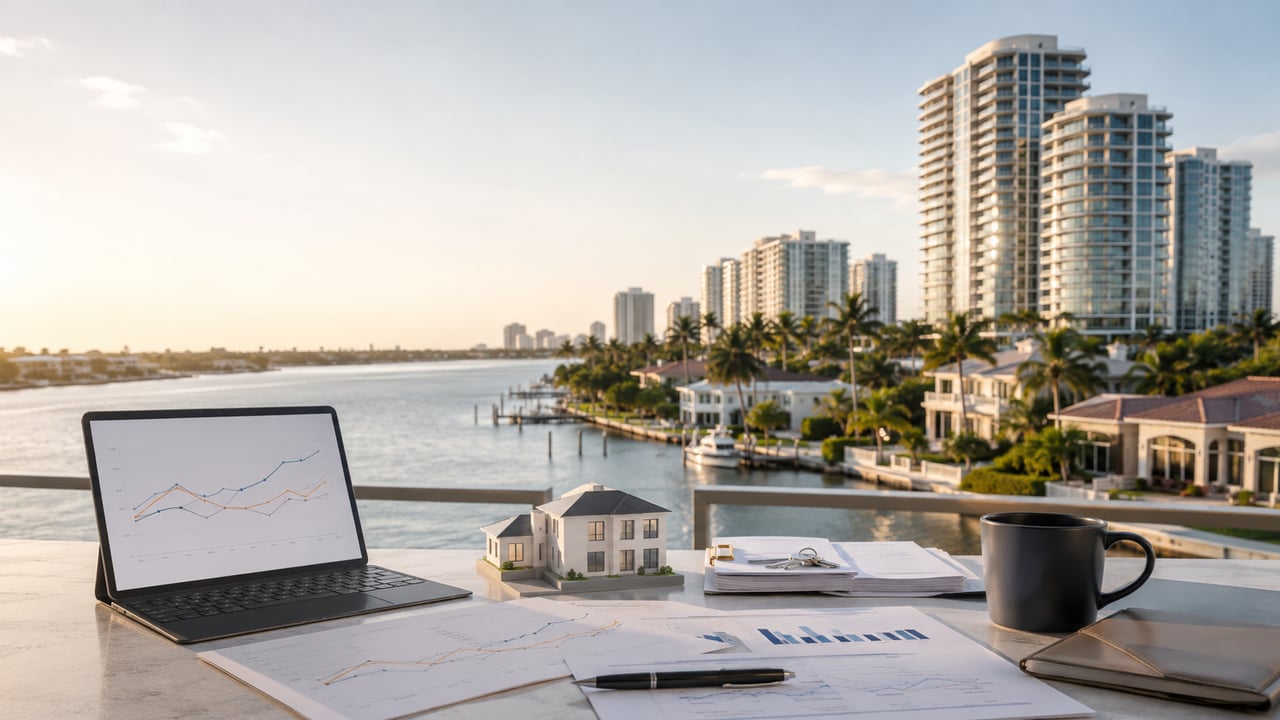
Palm Beach County’s housing market in 2026 isn’t a simple “hot vs crash” story. The better question is which path the market is taking—and you can see it in the data: prices, inventory, days on market, and the widening gap between condos and single-family. In this update, I break down what “cooling” actually looks like (and what it doesn’t), and the three paths I’m watching for the rest of 2026: a soft landing, a condo-led reprice, or a true crash—plus what would need to happen for that last scenario.
Palm Beach County Market Decision Guide (2026)
Best for:
- Buyers trying to time a purchase without guessing headlines
- Sellers deciding whether pricing needs to change now
- Condo buyers trying to understand risk vs opportunity
What to watch (the signals that matter):
- Inventory trend: rising vs stable, and where
- Days on market: speed tells you demand strength
- Price behavior: list-price vs accepted-price gap
- Condos vs single-family: the split is often where the story is
Typical outcomes (the 3 paths):
- Soft landing: slower market, normal negotiation, selective price cuts
- Condo-led reprice: condos soften first, single-family holds better (or lags)
- True crash: requires specific conditions—not just “cooling”
If you’re buying in 2026
- Treat condos and single-family as separate markets when you analyze comps.
- Use days on market to decide how aggressive to be.
- Focus on negotiation leverage (credits, repairs, concessions) instead of only list prices.
If you’re selling in 2026
- Price to the current buyer (not last season’s buyer).
- Watch the “competing inventory” within your exact segment (home type + price band).
PBC Housing Market FAQ's
Is Palm Beach County heading for a housing crash in 2026?
Not necessarily. The key is whether the data points to normal cooling (soft landing) or to conditions that would actually drive a crash.
What’s the difference between “cooling” and “crashing”?
Cooling usually looks like longer days on market, more negotiation, and selective price reductions. A crash typically needs stronger catalysts and broader forced selling.
Why do condos and single-family behave differently?
They often react differently to affordability, HOA/assessment concerns, and buyer demand—so you should track them separately.
What signals should buyers watch most closely?
Inventory direction, days on market, and the list-to-sale price spread are practical, trackable indicators.
What would have to happen for a “true crash”?
That depends on catalysts beyond “cooling”—the video outlines what conditions would actually need to show up.
Want the full breakdown?
📺 Watch the full video on YouTube → https://youtu.be/N3fU0iEW0-o?si=CzbIxCNW8iNiPhZl
👉Watch Next:
- Everything New and Coming Soon to Florida in 2026
- Moving to Palm Beach County? Don't Make These Mistakes