Beach at your doorstep or boat at the ready? If you are deciding between an oceanfront or Intracoastal condo on Singer Island, the choice shapes your daily routine, your views, and even your carrying costs. Each side offers a great lifestyle, but the right fit comes down to how you plan to use your home. In this guide, you will compare lifestyle perks, boating access, maintenance and insurance factors, typical HOA patterns, and a clear due‑diligence checklist. Let’s dive in.
Singer Island at a glance
Singer Island is a barrier island just north of Palm Beach, mostly within the City of Riviera Beach, with the southern tip in Palm Beach Shores. It blends oceanfront high‑rises along A1A with Intracoastal towers and single‑family waterfront neighborhoods on the Lake Worth Lagoon. For quick context on the island’s layout and jurisdictions, see the Singer Island overview.
You also have easy access to public beaches, parks, and boating. Local highlights include John D. MacArthur Beach State Park, charter options, and water‑taxi service to Peanut Island via area marinas. For a sense of the amenities that shape day‑to‑day living, explore Singer Island’s parks and marina access.
Market summaries often place the island’s median price in the high six to low seven figures, but building, stack, floor, and view usually matter more than a neighborhood label. Use medians only as ballpark context while you compare real units.
Oceanfront vs Intracoastal: what changes day to day
Views and beach access
- Oceanfront condos put you right on the sand with wide sunrise views and an open Atlantic horizon. Many buildings focus on dune access, beach service, and ocean‑facing amenity decks. You often pay a premium for large, unobstructed ocean views and for high‑service buildings with on‑site dining or full concierge.
- Intracoastal condos face protected waters, offer calmer outlooks, and often capture sunset views. You typically walk or drive a short distance to the beach. If frequent boating is part of your routine, the Intracoastal side tends to be more convenient.
Boating and dockage
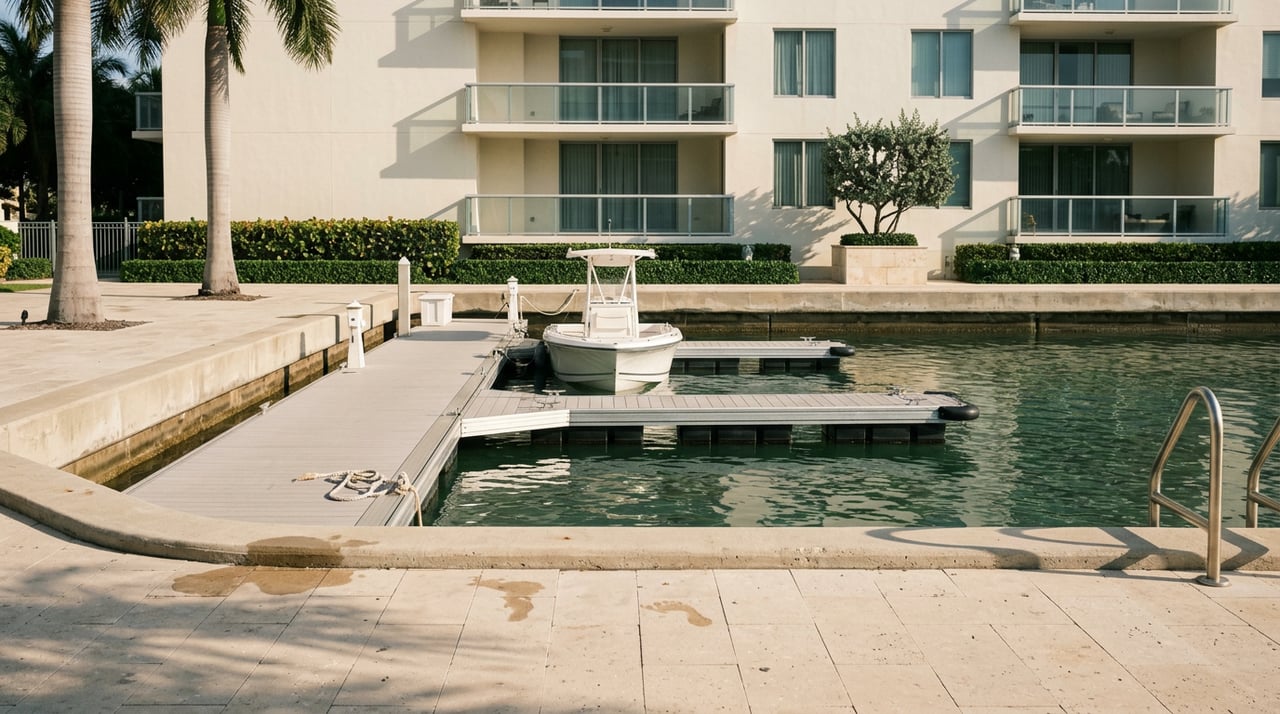
- Intracoastal advantage: Many towers and waterfront communities provide day docks, dry‑storage or slip programs, and direct access to the Intracoastal Waterway with a straight shot to the Lake Worth Inlet. When dockage matters, verify mean low‑water depth, slip dimensions, lift capacity, and whether slips are deeded or leased. If a slip is tied to the unit, confirm the conveyance language in writing.
- Oceanfront reality: Oceanfront towers do not offer practical ocean slips due to surf and wave action. If you live oceanfront and own a boat, you will likely rely on nearby Intracoastal facilities and public marinas for docking, charters, and water‑taxi access to spots like Peanut Island. You can browse local amenities and marina options on Singer Island’s visitor page.
Noise, privacy, and activity patterns
- Oceanfront: You trade calmer water for the sound of surf, which some owners love and others find loud on windy days. Pool decks and beach areas may be busier in peak season and on weekends. Public beach access points can increase foot traffic in front of some buildings.
- Intracoastal: You trade continuous surf for intermittent boat traffic, wakes, and periodic marina activity. At night, dinner‑cruise and charter movement may be noticeable around marinas. Water is typically calmer, and wind exposure is often lower than on the ocean side.
Building age, maintenance, and inspections
Many Singer Island towers date from the 1970s through the 2000s. Florida’s post‑Surfside milestone inspection law requires phase‑one and, if needed, phase‑two structural inspections plus reserve planning for buildings three stories and higher. Always confirm a building’s milestone status, reserve study, and any special assessments. You can read the law’s framework in Florida Statute 553.899.
Salt and weather exposure also shape maintenance cycles. Oceanfront facades typically see higher salt, wind, and UV loads, which can mean more frequent exterior restoration. Intracoastal buildings still face marine exposure at docks and seawalls, but usually less direct wave impact. For a practical comparison of coastal exposure and upkeep patterns, see this engineering perspective on oceanfront versus Intracoastal condos.
Flood maps, insurance, and carrying costs
Flood‑risk mapping was updated in Palm Beach County on December 20, 2024. Many parcels moved into higher‑risk zones or saw base flood elevations increase, which can affect required flood insurance and premiums. Oceanfront parcels are more likely to be in coastal wave‑action zones, while many Intracoastal parcels are AE, with some VE near inlets. Review the county update and resources at Palm Beach County’s flood‑zone page.
Insurance is a key part of your monthly costs. Ask insurers about building‑level premium trends in the county following the map update and compare flood and wind quotes before you compare list prices. Recent coverage shows a significant rise in properties mapped into higher‑risk designations, which can change carrying costs. For context, see this countywide flood‑zone update report.
Cost and HOA patterns you can expect
Every building is different, but a few patterns tend to hold on Singer Island:
- Oceanfront high‑service towers often trade at higher medians due to their direct beach access, views, and amenities. Ocean‑exposed structures may see more frequent exterior work, which can show up in reserves or special assessments.
- Mid‑market oceanfront buildings can list wide price ranges for similar floor plans because view corridors, renovation level, and stack position matter a lot. HOA dues in listing snapshots vary from several hundred dollars to over $1,000 per month, depending on what is included, such as insurance, cable, and reserves.
- Intracoastal complexes that package boat services, dry storage, and on‑site marina access may sit in a mid‑to‑upper HOA band due to added facilities. In many snapshots, dues often run in the mid‑$700 to $1,000+ range, with unit size and inclusions driving the spread.
- Single‑family Intracoastal neighborhoods on the island trade at a notable premium over condo medians, driven by private docks and larger outdoor space. If you expect a private slip at your door, compare single‑family carrying costs to condo dues and marina fees.
Bottom line: do a true apples‑to‑apples estimate. Compare total monthly costs that include HOA dues, flood and wind insurance, and property taxes before you focus on price alone.
Which side fits your goals
- Choose oceanfront if: your top priorities are direct beach access, sunrise and horizon views, and a resort‑style feel. You are comfortable with potential higher upkeep and insurance exposure for the beachfront address.
- Choose Intracoastal if: boating convenience, calmer water views, and sunset orientation matter most. You prefer easier day‑to‑day boat operations and access to marinas without fixed‑bridge limits to the inlet.
- If you are investing: confirm rental rules at both the association and municipal level. Minimum lease terms and caps per year can make or break your model, especially in seasonal markets.
Your on‑island due‑diligence checklist
Use this list to compare specific buildings and stacks. Bring it to showings and when you request condo docs and financials.
Jurisdiction and services
- Confirm whether the address sits in Riviera Beach or Palm Beach Shores, since municipal rules and services can differ. Use local city and town sources and the Singer Island overview for orientation.
Flood map and elevation
- Look up the building on county and FEMA flood maps. Ask the seller for an Elevation Certificate if available. Review whether the property is in AE or VE and how the December 20, 2024 map changes may affect insurance at the Palm Beach County flood‑zone resource.
Milestone inspections and reserves
- Ask if the building has completed required milestone inspections under Florida Statute 553.899, whether a phase‑two was needed, and whether a structural integrity reserve study is in place with a current funding schedule. Read minutes for any planned repairs or special assessments. See the law’s framework here: F.S. 553.899.
HOA financials and rules
- Request the last 2–3 years of audited financials, the current budget, reserve disclosures, and recent minutes. Confirm what HOA dues include and review policies on rentals, pets, renovation approvals, and any slip allocation rules.
Dock and slip specifics (if boating matters)
- Confirm slip conveyance (deeded vs leased), dimensions, mean low‑water depth, lift capacity, guest‑slip policies, and any submerged‑land leases or dredging history. Validate any “no fixed‑bridge” claims to the Lake Worth Inlet with current charts and marina staff.
Insurance quotes and total monthly costs
- Get unit‑specific flood and wind quotes, and ask carriers about building‑level premium trends after the map update. Add HOA, insurance, taxes, and utilities to see your true monthly number. For countywide context, review this overview of flood‑zone changes.
Noise, view, and sun patterns
- Tour at different times and days to hear surf versus boat traffic, see privacy lines, and note shadows and glare. Document view corridors and check whether nearby towers could impact future views.
Recent restoration projects
- Ask for scopes and invoices for concrete, balcony, roof, and façade work. On oceanfront buildings, salt and wind exposure can shorten exterior cycles. This engineering overview explains why exposure matters.
Final thoughts
Both sides of Singer Island deliver a great coastal lifestyle. Oceanfront leans into sand‑in‑your‑toes living and big‑sky horizons. Intracoastal leans into boating ease, calmer water views, and sunsets. The best choice is the one that fits how you plan to spend your mornings, weekends, and seasons, with a close eye on inspections, reserves, flood risk, and total monthly costs.
If you would like a side‑by‑side comparison of buildings, HOA inclusions, and insurance estimates, reach out. With local insight, careful due diligence, and thoughtful tours, you can choose with confidence. Connect with Joel Poulin to schedule your complimentary listing consultation and market snapshot.
FAQs
What are the biggest lifestyle differences between oceanfront and Intracoastal condos on Singer Island?
- Oceanfront gives you direct beach access and sunrise views, while Intracoastal offers calmer water, sunset views, and easier boating with marinas close by.
How do flood zones affect condo ownership on Singer Island?
- Updated county maps effective December 20, 2024 changed many properties’ risk levels, which can impact required flood insurance and premiums, so verify the building’s zone and elevation.
What should I ask about condo inspections and reserves in Florida?
- Confirm the building’s milestone inspection status under Florida Statute 553.899, whether a phase‑two was needed, and review the structural integrity reserve study and recent minutes for repair plans.
Is oceanfront more expensive to maintain than Intracoastal?
- Oceanfront facades often face higher salt, wind, and UV exposure that can shorten exterior maintenance cycles, while Intracoastal buildings still have marine exposure at docks and seawalls.
If I own a boat, which side of Singer Island fits best?
- Intracoastal typically fits boat owners due to day docks, dry‑storage or slip programs, calmer waters, and direct access to the Lake Worth Inlet without ocean surf.
How do HOA dues compare between oceanfront and Intracoastal condos?
- Dues vary widely by building and inclusions, but high‑service oceanfront towers and Intracoastal complexes with marina facilities often sit in higher ranges, so compare what each fee includes.