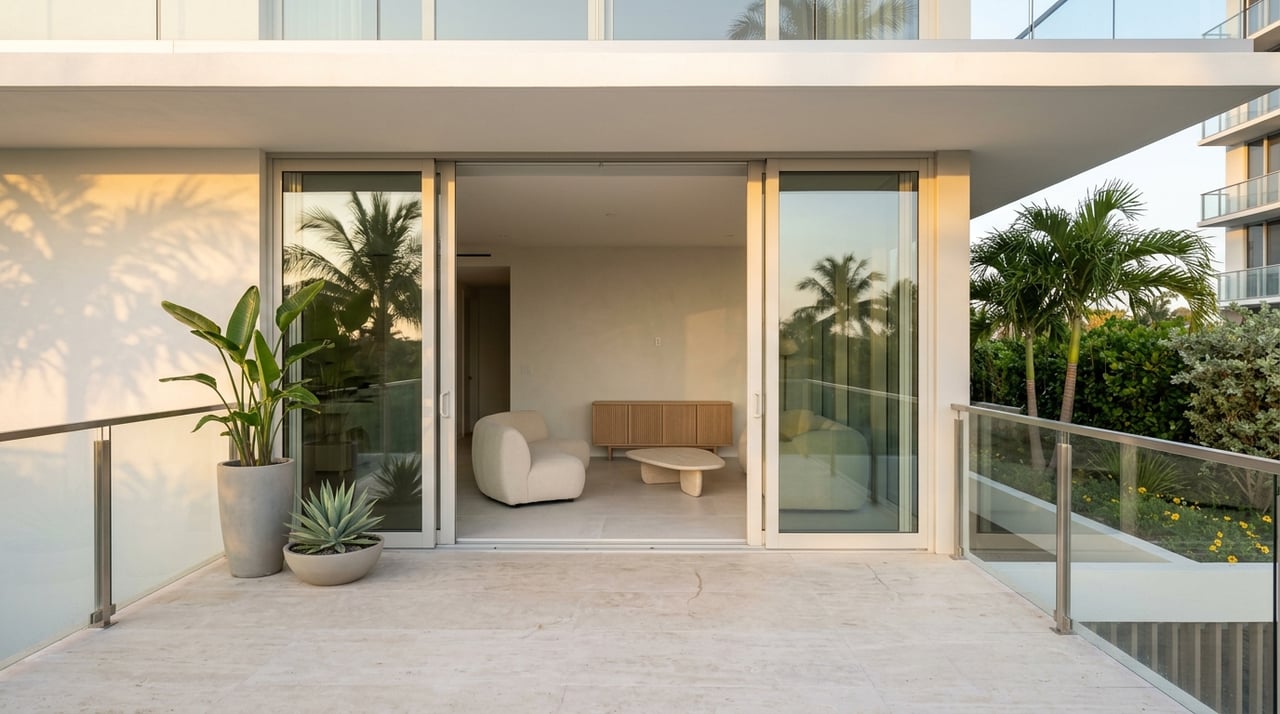
Wondering why one Juno Beach condo feels like a true beach retreat while another feels better suited to boating, commuting, or everyday living? In a town this compact, location shapes your routine more than many buyers expect. If you are trying to decide where to focus your search, understanding how each part of Juno Beach lives can help you buy with more confidence. Let’s dive in.
Why location matters in Juno Beach
Juno Beach is a small barrier-island town about 14 miles north of West Palm Beach. According to the town’s FY2023 annual report, it covers just 2.65 square miles, with the Intracoastal Waterway on the west and the Atlantic Ocean on the east.
That compact layout means your condo location can quickly change how your day looks and feels. In Juno Beach, the main lifestyle question is often not whether you want to live here, but whether you want a beach-first, waterway-first, or convenience-first experience.
The town also has a distinct rhythm throughout the year. Juno Beach reports about 3,862 permanent residents, more than 3,000 residential units, and a winter population that nearly triples. For you as a buyer, that can affect everything from seasonal traffic patterns to how active public spaces feel.
Oceanfront condos fit beach-first buyers
If your ideal day starts with stepping onto the sand, direct oceanfront condos usually offer the strongest lifestyle match. Juno Beach has 2.4 miles of beaches and 11 public dune walkovers, along with public beach features such as showers, parking, gazebos, and chickee huts.
This side of town puts you closest to the classic coastal experience many buyers picture. You can be near the surf, the shoreline, and the daily scenery that makes barrier-island living feel special.
What daily life feels like by the ocean
Juno Beach Park adds a lot to the oceanfront lifestyle. The town says the park includes guarded beachfront, a 990-foot pier, a designated surfing area, and saltwater fishing.
Loggerhead Park brings a slightly different mix. It offers lifeguards, a nature trail, play areas, and access to the Loggerhead Marinelife Center, giving you another nearby option for time outdoors.
The north end of town is especially active. The annual report notes that Juno Beach Park serves as a large parking area for beachgoers and the county-owned pier, and Artfest by the Sea along A1A and the ocean draws about 30,000 visitors.
What to think through before choosing oceanfront
Oceanfront living comes with tradeoffs as well as views. Palm Beach County reports critically eroded beaches in the county and ongoing renourishment work on Juno Beach, which is important context if shoreline conditions matter to you.
Beach safety and storm planning also matter. County beach guidance highlights flags, guarded swimming areas, and hazards such as rip currents, man o’ war, shorebreak, underwater rocks, and boat traffic, while the Town of Juno Beach notes that shoreline areas can flood during tropical storms, hurricanes, or heavy rain.
Rules can shape your routine too. Palm Beach County says dogs are not allowed on county beaches except service animals, and Juno Beach Park bans balloons to help protect sea turtles.
Intracoastal condos suit boating lifestyles
If you care more about launches, docks, and calm-water recreation than front-row surf, the Intracoastal side may feel like the better fit. The west side of Juno Beach is oriented around waterway access rather than direct beach access.
That difference can change your weekends in a big way. Instead of planning around sand and surf, you may be thinking more about boating, paddleboarding, kayaking, and fishing.
Water access on the west side
Juno Park has 1,150 feet of Intracoastal frontage, plus a boat ramp, kayak access, fishing, and a paddleboard rental kiosk. Bert Winters Park adds 805 feet of frontage, three boat launching ramps and docks, kayak access, and saltwater fishing.
Palm Beach County also lists both parks as saltwater ramp locations. For buyers who want easy access to launch points, that makes the west side especially practical.
The town’s annual report also says Juno Beach has added light-vessel boat docks and erosion-control amenities along the Intracoastal Waterway. That supports an active waterfront lifestyle, but it also reminds you that waterway living still comes with coastal upkeep and weather considerations.
Who usually prefers this side of town
Intracoastal-adjacent condos often appeal to buyers who want coastal scenery without making the beach the center of every day. If you picture yourself heading to a boat ramp, casting a line, or taking a paddleboard out more often than walking to the surf, this area deserves a closer look.
It can also be a strong match if you want coastal living with a different pace. The waterway side is still scenic and access-driven, but the daily rhythm is not exactly the same as living beside the pier or the busiest public beach points.
Inland condos offer easy everyday living
In Juno Beach, inland does not mean far from the coast. Because the town is small, inland and town-center condos can still keep you close to beaches and parks while shifting the feel of your routine toward convenience.
For many buyers, that means a more balanced day-to-day experience. You may still enjoy the coastal setting, but with easier driving, simpler errands, and less direct exposure to beach and pier activity.
Town-center features that shape the lifestyle
The town highlights Pelican Lake next to Town Center, with a three-quarter-mile public sidewalk, gazebos, fountains, and event space. It also points to Kagan Park and Town Hall Park as neighborhood gathering spaces.
This helps explain why central Juno Beach can feel more residential than resort-like. The town’s mission and vision emphasize community involvement, cultural activities, natural beauty, and a seaside quality of life.
The town’s comprehensive plan also supports a complete sidewalk system and bicycle lanes that connect the park and recreation system. It specifically encourages private condominiums to supplement public park and recreation areas, which is useful when you are comparing building amenities against what the town already offers nearby.
Why inland can help with access
For regional driving, road access matters. The town’s directions page shows that drivers coming from I-95 typically use Donald Ross Road east to Ocean Drive, while Florida Turnpike access often routes through Jupiter via Indiantown Road and then A1A.
That makes central or western locations worth considering if convenience is high on your list. You may find it easier to balance coastal living with work, appointments, and regular errands while still staying close to the shoreline.
Seasonality can matter here too. Since the winter population nearly triples, inland locations may feel a bit less directly exposed to the activity tied to beach parks and the pier during peak season.
How to choose the right Juno Beach condo location
The best condo location depends on the life you want to live once the boxes are unpacked. In a town as compact as Juno Beach, small shifts in location can create meaningful changes in how you spend your mornings, weekends, and busy season days.
A simple way to narrow your search is to start with your top priority, then work backward into building style, amenities, and access. That approach usually saves time and keeps you focused on the locations that match your actual routine.
Choose oceanfront if you want:
- Direct beach access
- Easy walks to sand and surf
- Proximity to the pier and guarded swimming areas
- A lifestyle centered on shoreline views and beach activity
Choose Intracoastal-adjacent if you want:
- Better access to boat ramps and launch points
- A paddling or fishing-oriented routine
- Water views without making the beach your main focus
- A coastal setting built around the waterway
Choose inland or town-center if you want:
- Easier driving for regional travel and errands
- Quick access to parks and community spaces
- A more everyday residential feel
- Coastal living with a little more separation from peak beach activity
Practical questions to ask before you buy
Once you know your lifestyle fit, the next step is asking better property-specific questions. In Juno Beach, those questions often go beyond the condo itself.
You will want to understand how the location connects to public access, weather planning, and the town’s shared amenities. That helps you compare condos based on real daily use, not just listing photos.
Key questions to keep in mind
- How close is the building to a public beach access point, dune walkover, or the pier?
- Is the location better suited to beachgoing or boating?
- What should you know about flood zones, hurricane planning, and evacuation routes?
- Do local beach rules affect your routine, especially if you have a pet?
- Does the building’s amenity package add enough value compared with the parks and recreation options already nearby?
The Town of Juno Beach says residents should know their zone, notes that coastal and inland waters can flood, and states that hurricane season runs from June 1 to November 30. The town also identifies US Highway 1 as the main evacuation route, making location and preparedness an important part of your decision.
In a small coastal town, the right condo is about more than square footage or views. It is about choosing the stretch of Juno Beach that supports the way you actually want to live. If you want help comparing condo locations, building tradeoffs, and day-to-day lifestyle fit in Juno Beach, connect with Joel Poulin for a personalized, high-touch search strategy.
FAQs
What does oceanfront condo living feel like in Juno Beach?
- Oceanfront condo living in Juno Beach is best for buyers who want direct beach access, surf views, and close proximity to places like Juno Beach Park, the pier, and public dune walkovers.
What is the benefit of an Intracoastal-side condo in Juno Beach?
- An Intracoastal-side condo in Juno Beach can be a strong fit if you value boating, kayaking, paddleboarding, fishing, and easier access to launch points like Juno Park and Bert Winters Park.
Are inland condos still close to the beach in Juno Beach?
- Yes. Because Juno Beach is only 2.65 square miles, inland and town-center condos can still keep you close to the coast while offering a more convenience-oriented daily routine.
What should condo buyers know about seasonal activity in Juno Beach?
- The Town of Juno Beach reports that the winter population nearly triples, so seasonal traffic and busier public spaces are important to consider when choosing between oceanfront, western, and inland locations.
What should buyers ask about flood and storm planning in Juno Beach?
- Buyers should ask about flood risk, hurricane planning, evacuation routes, and how a condo’s location may be affected by shoreline or inland flooding during tropical weather events.
Are dogs allowed on Juno Beach public beaches?
- Palm Beach County says dogs are not allowed on county beaches except service animals, so beach access rules are important to review if pet compatibility is part of your lifestyle planning.