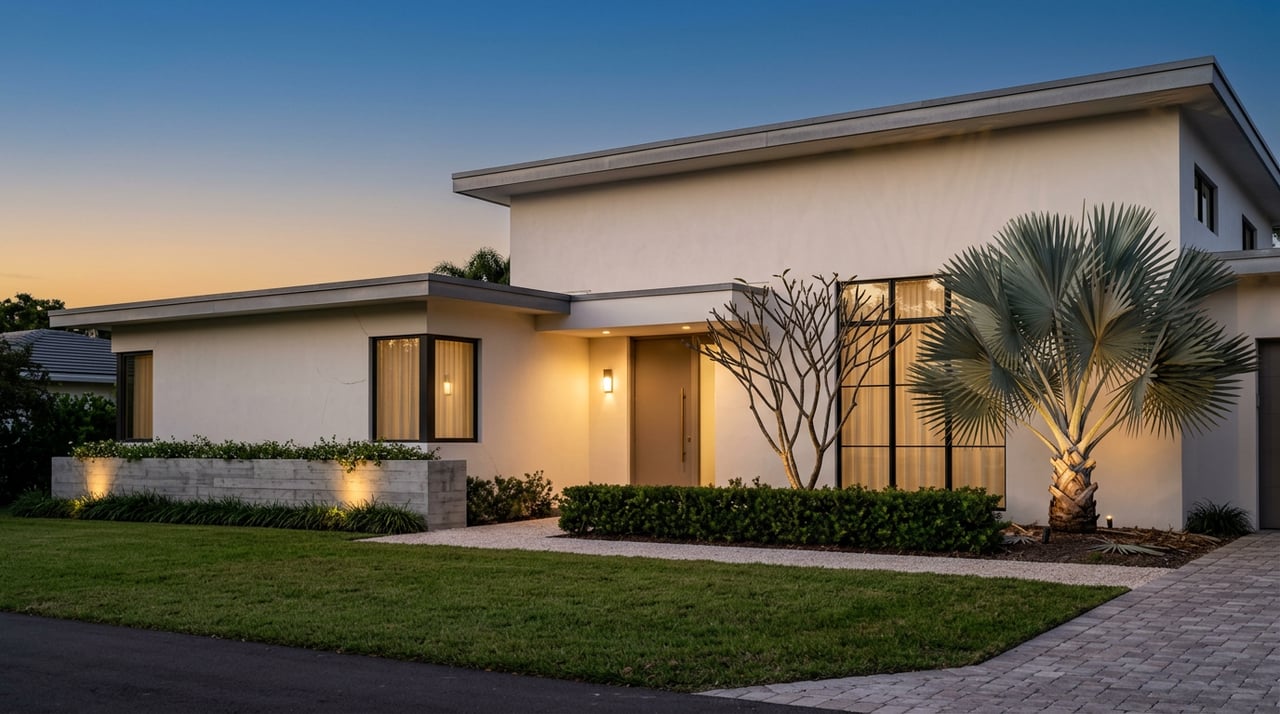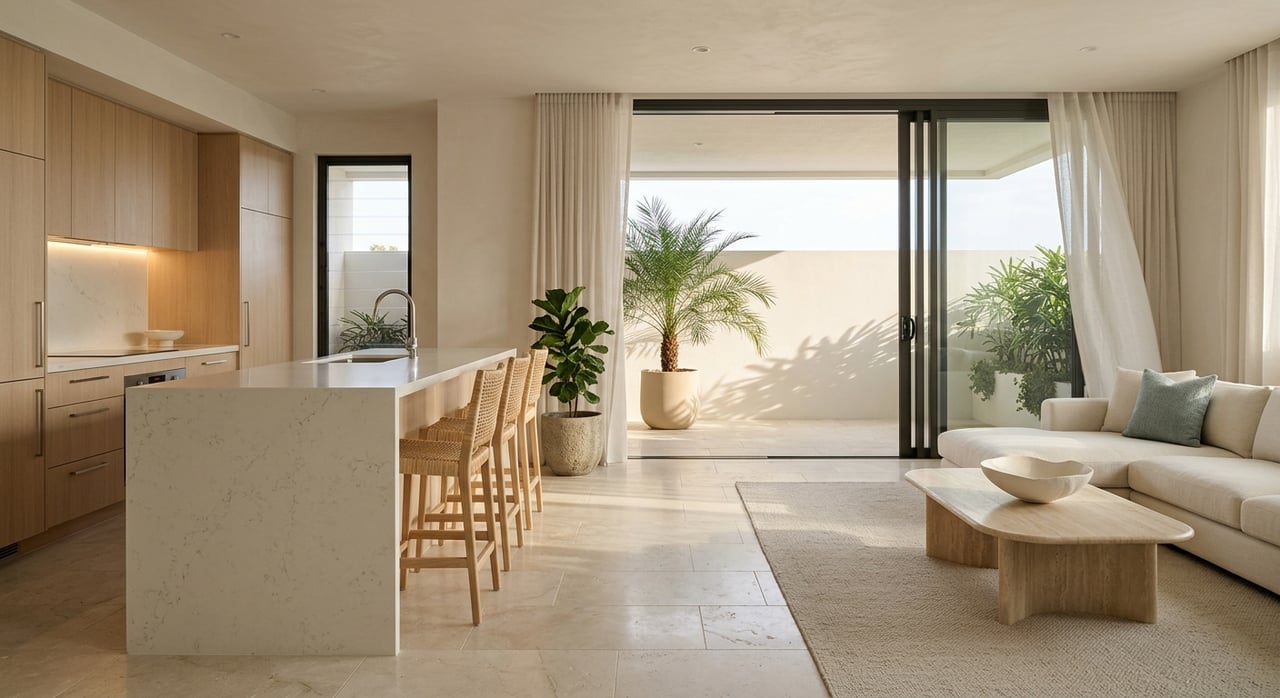
A second home in Juno Beach can feel like the best of both worlds: a place you actually want to use and a property that may help offset ownership costs when you are away. If that is your goal, it helps to look past the beachside appeal and focus on the details that make a home workable as both a personal retreat and a compliant rental. In this guide, you will learn what makes Juno Beach attractive for this strategy, what rules matter most, and how to evaluate a property with clear eyes. Let’s dive in.
Why Juno Beach Fits This Goal
Juno Beach offers a setting that naturally appeals to second-home buyers. The town is a small barrier-island community of about 2.65 square miles, bordered by the Atlantic Ocean on one side and the Intracoastal Waterway on the other. The town also highlights its 2.4 miles of beaches, the Juno Beach Pier, public beach access, and nearby recreation such as golf, tennis, parks, shopping, and arts.
That lifestyle appeal matters, but so does the market context. In its 2024 financial report, the town said property values had increased for 13 straight years, while tourism was improving and housing demand remained strong. For buyers thinking about part-time use and part-time rental income, that combination makes Juno Beach worth a closer look.
Seasonality is another key reason this market can work. The town’s 2023 financial report says the population increases dramatically from November through April and nearly triples during those months. That pattern supports the kind of seasonal demand many second-home owners are hoping to capture.
Think Lifestyle First, Income Second
The smartest way to approach a Juno Beach second home is to treat it as a lifestyle purchase first and an income property second. That mindset helps you avoid stretching your budget based on overly optimistic rental assumptions. It also keeps your search focused on a home you will enjoy even if rental performance varies year to year.
In coastal markets, rental demand can be real without being perfectly predictable. Seasonal shifts, association rules, insurance costs, and tax treatment can all affect the numbers. A conservative plan usually leads to a better long-term decision.
Understand Florida Vacation Rental Rules
Before you buy, you need to know when Florida treats a property as a vacation rental. Under Florida law, a dwelling is considered a vacation rental if it is rented to guests more than three times in a calendar year for periods of less than 30 days, or if it is advertised as regularly rented to guests.
That classification is important because Florida also requires public lodging establishments to obtain a license through the DBPR before operation. That license must be renewed annually, and the state maintains the process through an online account. License fees are tied to the number of rental units.
If your plan includes shorter stays, this is not something to sort out later. It should be part of your due diligence before you make an offer.
Check Juno Beach Registration Requirements
State rules are only part of the picture. Juno Beach also has a local compliance layer for vacation rentals. The town’s Forms and Applications page includes a Vacation Rental Registration form, and the town’s code compliance page states that it enforces local ordinances and helps property owners comply.
Town council records also show that Juno Beach adopted Ordinance 710 regulating vacation rentals and later amended its fee schedule to address a vacation rental registration fee change. In practical terms, that means you should assume local registration steps and fees may apply in addition to state licensing.
For a buyer, the takeaway is simple: do not assume a property is rental-ready just because it is in a desirable beach town. You need to confirm the town’s current registration process and compliance requirements before moving forward.
HOA and Condo Rules Can Change Everything
If you are buying a condo or any property governed by an HOA, the association documents may matter just as much as state and town rules. A property could be legal to rent under local law but still be unusable for your intended strategy because of private community restrictions.
Florida law requires condominium disclosure materials to explain unit-use restrictions, including leasing restrictions, and to identify recurring assessments or fees. Florida law also states that owners and board members must abide by the condominium documents, applicable rules, and reasonable board rules.
That is why one of the most important steps in your search is reviewing the condo declaration, bylaws, rules, and any leasing policies before you commit. This is often where the real answer lives.
Key Questions to Ask the Association
Before you buy, get clear answers to questions like these:
- What is the minimum lease term?
- How many rentals are allowed each year?
- Does the association require approval before renting?
- Are there guest-registration rules?
- Are there parking restrictions for renters or guests?
- Are pets allowed for tenants?
- Are there amenity-use rules for renters?
- Are there quiet-hour or noise rules that could affect guest stays?
- Does the association require a local management contact?
- Are there extra application fees, deposits, or move-in charges for rentals?
These details may sound small, but they can determine whether a property works as an occasional rental, a seasonal rental, or not at all.
What to Look for in a Rental-Ready Property
In Juno Beach, a property with rental potential usually succeeds because it delivers a smooth coastal lifestyle. Based on the town’s setting, recreation focus, and seasonal visitor flow, renters are likely to care about convenience and ease as much as the address itself.
That often means focusing on practical features such as:
- Easy beach access
- Straightforward arrival and parking
- Strong Wi-Fi
- Clean, turnkey interiors
- Beach gear storage or beach-ready setup
- Responsive property management or local support
If you are comparing two similar properties, the one that feels easier to use will often be the more flexible second-home choice. That matters for your own stays and for guest appeal.
Underwrite Rental Income Conservatively
It is easy to get excited about peak-season demand, especially in a town where the population swells from November through April. Still, your numbers should be conservative. A second home with rental potential should make sense even when occupancy is uneven or costs come in higher than expected.
Start by planning for seasonal vacancy rather than assuming full calendars. Then build in realistic expenses, including taxes, licensing, registration, insurance, association fees, and ongoing maintenance. This is especially important in a coastal barrier-island setting, where ownership costs can move more than buyers expect.
A good rule is to stress-test the property. If the home still feels comfortable for your budget with lower rental income than hoped, you are likely making a stronger decision.
Know the Tax Basics Before You Buy
Tax treatment can change quickly when you use a home both personally and as a rental. According to IRS Publication 527, if you use the dwelling as a home and rent it for fewer than 15 days during the year, the rental income is generally not reported on Schedule E. If you rent it for 15 days or more and also use it personally, you generally must report the rental income and divide expenses between rental and personal use.
At the local level, Florida’s Department of Revenue says short-term rentals are subject to state sales tax and any applicable discretionary sales surtax. Counties may also levy transient rental taxes on accommodations rented for six months or less.
In Palm Beach County, the tourist development ordinance imposes a 6% tourist development tax on transient rentals. The Florida Department of Revenue also notes that Palm Beach County levies an additional 1% high tourism impact tax. Those costs should be part of your underwriting from day one.
Budget for Insurance and Flood Risk
Insurance deserves special attention in Juno Beach. The town states that it is a CRS Class 5 community under the National Flood Insurance Program, which can mean flood-insurance discounts in Special Flood Hazard Areas. At the same time, the town also notes that Juno Beach is a barrier island, certain areas are prone to flooding, and hurricane season runs from June 1 through November 30.
That means insurance should never be treated as a minor line item. Before you buy, look closely at flood exposure, likely coverage needs, and how insurance costs fit into your annual carrying budget. This is one of the clearest ways to avoid surprises after closing.
Do Not Assume Homestead Savings
Some buyers moving in from out of area mistakenly assume the tax picture will look like a primary residence. Juno Beach’s homestead information explains that the exemption is available to Florida residents. If you are buying a second home, you should not count on homestead savings unless the property later becomes your primary residence and you otherwise qualify.
That distinction can have a real impact on your annual ownership costs. It is another reason to build your budget using second-home assumptions, not best-case scenarios.
A Practical Buying Checklist
As you narrow your options, keep your due diligence focused on the items that most directly affect use and flexibility:
- Confirm whether your intended rental pattern would qualify as a vacation rental under Florida law.
- Verify DBPR licensing requirements before you plan any short-term rental activity.
- Check Juno Beach vacation rental registration requirements and related local fees.
- Review condo or HOA documents for lease terms, approval rules, and guest restrictions.
- Estimate state and county taxes tied to transient rentals.
- Get insurance quotes early, including flood considerations if applicable.
- Underwrite vacancy and holding costs conservatively.
- Speak with a CPA or tax professional about mixed personal and rental use.
This kind of upfront clarity can save you time, money, and frustration later.
Why Local Guidance Matters
Buying a second home with rental potential is rarely about finding the prettiest unit online. It is about finding a property that fits your lifestyle, your budget, and the rule stack that applies to that specific address. In Juno Beach, that means balancing beach-town appeal with careful review of licensing, registration, taxes, insurance, and association restrictions.
When you approach the purchase thoughtfully, you put yourself in a much better position to enjoy the property and protect your downside. That is especially true in a market where coastal demand is strong, but the details matter.
If you are considering a Juno Beach second home and want help evaluating condos, rental rules, and real carrying costs, Joel Poulin offers a high-touch, data-informed approach designed to help you buy with confidence.
FAQs
What makes Juno Beach appealing for a second home with rental potential?
- Juno Beach offers a small barrier-island setting, 2.4 miles of beaches, recreation amenities, strong housing demand, and a seasonal population surge from November through April that can support part-time rental demand.
What counts as a vacation rental in Florida for a Juno Beach property?
- Under Florida law, a dwelling is treated as a vacation rental if it is rented to guests more than three times in a calendar year for periods of less than 30 days, or if it is advertised as regularly rented to guests.
Does a Juno Beach vacation rental need town registration?
- Juno Beach has a Vacation Rental Registration form and local vacation-rental regulations, so buyers should confirm the town’s current registration steps, fees, and compliance requirements before renting.
Why do condo rules matter for a Juno Beach second home rental plan?
- Condo and HOA documents can restrict lease length, the number of rentals allowed, guest rules, parking, pets, and approval requirements, even when local law otherwise allows rentals.
What taxes apply to short-term rentals in Palm Beach County?
- Short-term rentals are subject to Florida sales tax and applicable surtaxes, and Palm Beach County imposes a 6% tourist development tax plus an additional 1% high tourism impact tax on qualifying transient rentals.
Can you claim homestead exemption on a Juno Beach second home?
- You should not assume that, because Juno Beach states the homestead exemption is available to Florida residents, and second-home buyers generally should not count on those savings unless the property later becomes a qualifying primary residence.
How should you evaluate rental income for a Juno Beach second home?
- Use conservative assumptions by factoring in seasonal vacancy, insurance, taxes, licensing, registration, association fees, and maintenance instead of relying on peak-season income alone.