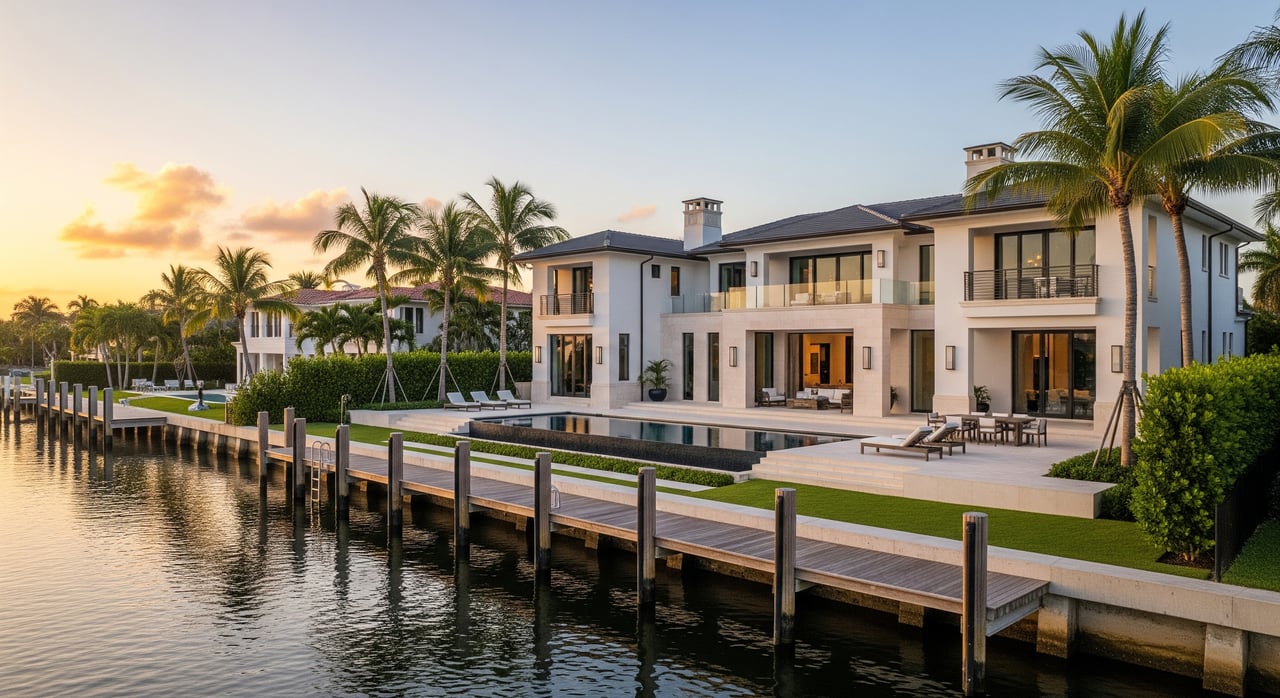
Two waterfront homes on the same street can command very different prices. If you’re preparing to sell or buy in North Palm Beach, you know the water is the prize, but not all water access is equal. You want a clear way to value what you have and what you want, without guesswork. In this guide, you’ll learn the exact factors buyers and appraisers weigh here, how to use the right comparables, and what to expect with insurance, permitting, and financing. Let’s dive in.
What drives waterfront value
Water type and ocean access
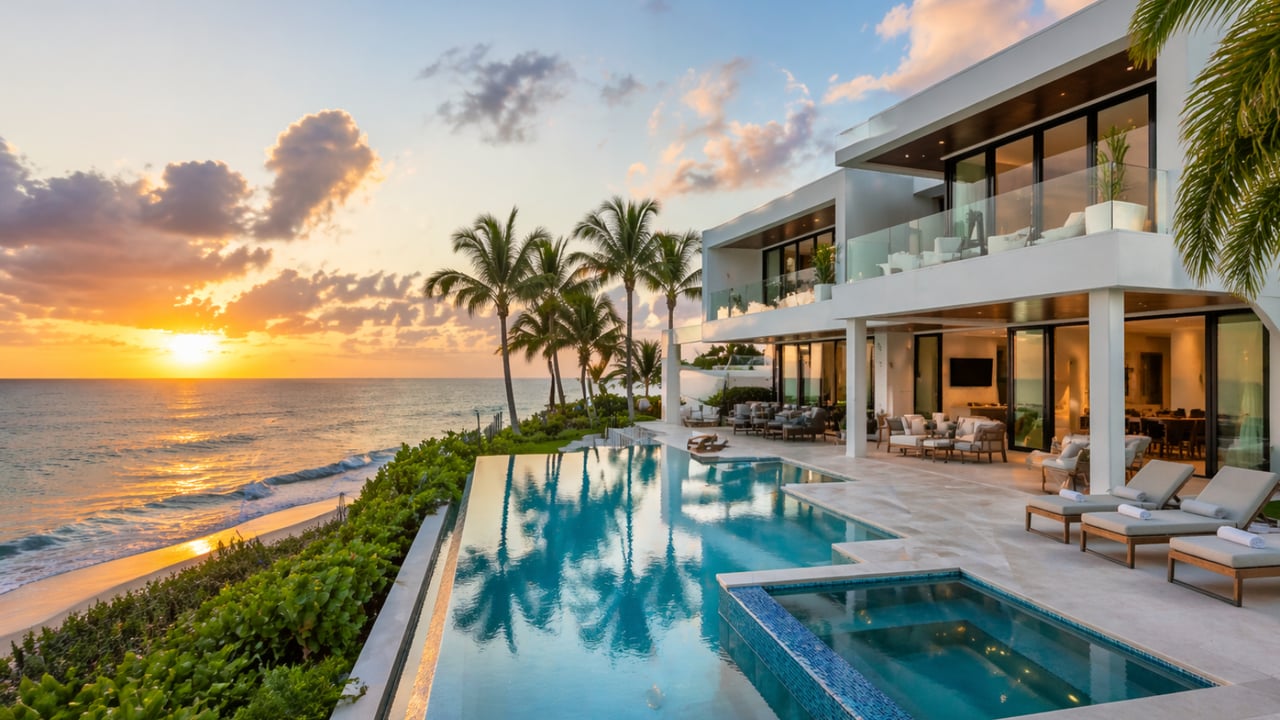
In North Palm Beach, the water itself is the headline. Direct Intracoastal views and deep water with no fixed bridges to the ocean typically draw the strongest buyer demand. Canal frontage can be excellent if depth, width, and clearance suit your boat and planned use.
Distance to an inlet and bridge clearance matter. Local boaters weigh time to the Atlantic and whether their vessel can clear fixed spans. You can verify route constraints and plan around bridge heights with your agent and marina resources.
Dock and seawall condition
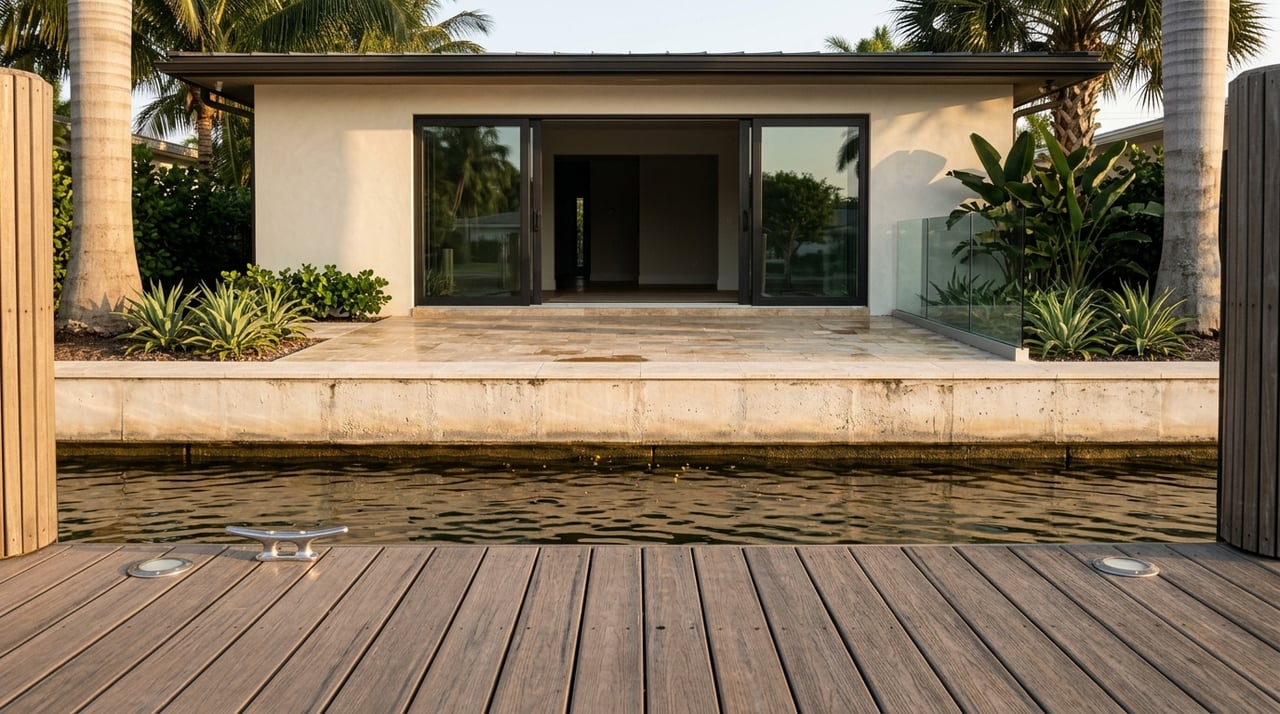
A usable, permitted dock with adequate length, slips, and a lift is a major value driver. Buyers will look for permit history, materials that hold up in saline environments, and load capacity for their boat. The seawall’s age and integrity are equally important. Evidence of settlement or prior failure can trigger lender concerns or price concessions.
If you plan repairs, understand permitting pathways. Work that affects navigable waters often requires coordination with the Town or County, the state, and the federal government. Start by reviewing the Florida Department of Environmental Protection’s coastal permitting guidance and the U.S. Army Corps of Engineers Jacksonville District for federal requirements.
Flood zones and elevation
Insurers and lenders will look at FEMA flood zones and finished floor elevation. Properties in AE or VE zones sit within the Special Flood Hazard Area and often face stricter building standards and higher insurance costs than homes in X zones. Confirm your designation using the FEMA Flood Map Service Center and gather an Elevation Certificate if available.
Higher finished floors relative to Base Flood Elevation, elevated mechanicals, and documented mitigation can improve insurability and buyer confidence. If your home is in a VE zone, plan for buyers to underwrite insurance more tightly and weigh reconstruction standards in their offer.
Permitting and riparian details
Waterfront use is shaped by riparian rights, the mean high-water line, and local rules that govern dock length, setbacks, and mangrove protection. Before listing, check the Town for marine structure rules and permit history. You can start with the Town of North Palm Beach site and follow up with the building department on documentation. County-level resources and state rules may also apply depending on the scope of work.
Condition and hurricane hardening
Impact windows and doors, rated garage doors, modern roof tie-downs, and elevated equipment are value-positive in coastal Palm Beach County. Materials that resist corrosion and wind-driven rain make a difference over time. Recent renovations with coastal-grade components tend to hold value and reassure buyers and appraisers.
Lot orientation and views
Lot width on the water, view corridor, and exposure to sunrise or sunset all influence perceived value. Unobstructed vistas and outdoor living areas that connect seamlessly to the water often command a premium. Consider how neighboring docks, mangroves, and prevailing winds affect daily use and privacy.
How to set your price with confidence
Start with true waterfront comps
The best pricing starts with closed sales that match your water type and access. In North Palm Beach, that means comparing Intracoastal to Intracoastal and similar canal settings to each other. Pull recent activity from reliable sources like Stellar MLS and county records, and confirm flood zone, dock details, and elevation for each property.
Also review county parcel data to verify lot dimensions, prior assessments, and recorded improvements. The Palm Beach County Property Appraiser is a helpful starting point for parcel-level basics.
Make smart adjustments
Because perfect matches are rare, you’ll need clear adjustments. Typical adjustment categories include:
- Water access depth, bridge clearance, and distance to an inlet
- Dock presence, size, slips, and lift capacity
- Seawall age and documented condition
- Flood zone and finished-floor elevation relative to BFE
- Resilience features like impact glass and elevated mechanicals
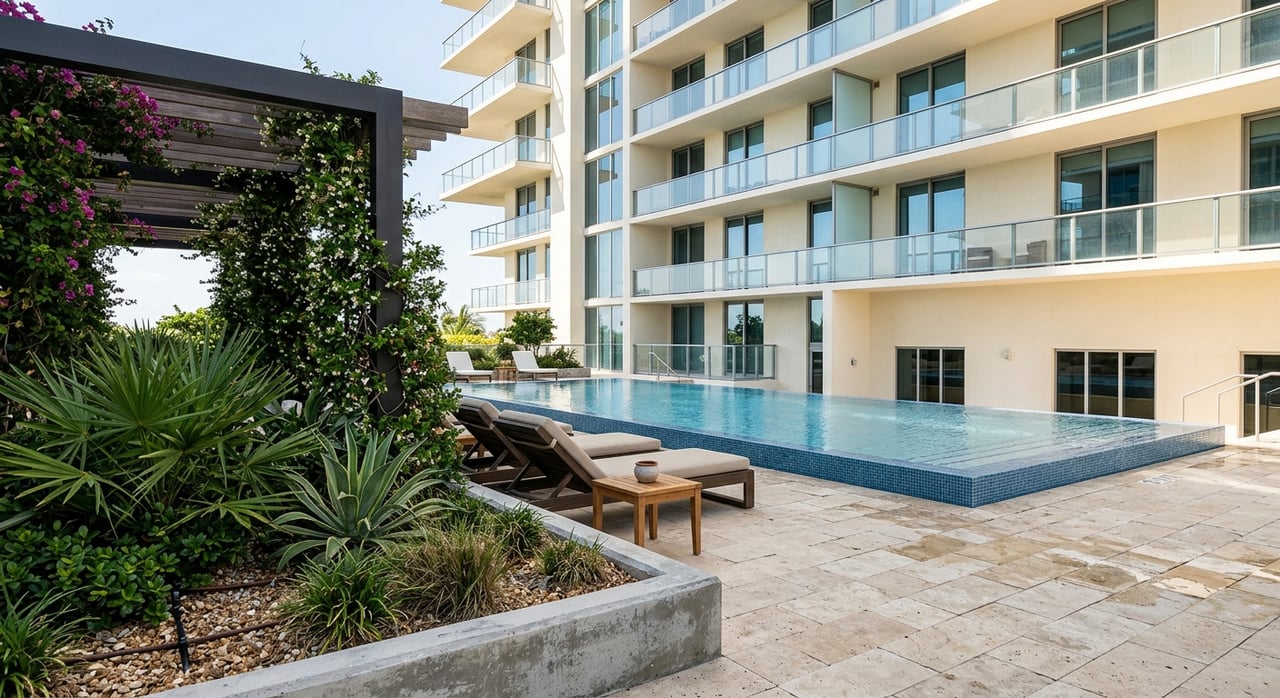
- Outdoor living and pool integration with the waterfront
Document each difference so buyers and appraisers understand the value story. When comps are scarce, broader search windows and explicit, well-supported adjustments are essential.
Anticipate appraisal dynamics
Appraisers will prioritize closed sales of comparable waterfront types and will ask for your elevation certificate, dock and seawall permits, and any recent marine reports. If the best comps are limited, appraisal gaps can occur. Preparing a concise “waterfront file” helps support your target price and can reduce friction.
Insurance, financing, and risk factors
Flood insurance and budgets
If the property is in a Special Flood Hazard Area, lenders will require flood insurance. Buyers will weigh current premiums, coverage terms, and any transferable policies. Review options with your insurance professional early, including NFIP, private carriers, and Florida’s state-backed insurer. For context, learn more from the Florida Office of Insurance Regulation and Citizens Property Insurance Corporation.
Mortgage underwriting for coastal homes
Conventional and jumbo financing are common for higher-value waterfront homes. Underwriting often looks closely at flood zone, elevation, and the condition of marine structures. Properties in VE zones or with failing seawalls can face added scrutiny. Clear documentation and proactive repairs improve financing outcomes.
Climate risk context
Some buyers consider long-term sea-level rise and storm exposure when setting budgets and hold periods. Use the NOAA Sea Level Rise Viewer and FEMA mapping to understand site-specific context. Keep the conversation factual and solution oriented, focusing on mitigation features, elevation data, and maintenance history.
Seller checklist: prepare and price right
- Assemble your waterfront file: elevation certificate, dock and seawall permits, marine contractor reports, insurance history, and maintenance records.
- Order a marine inspection for the seawall and dock. Obtain repair or replacement bids to quantify any issues.
- Review recent waterfront comps by water type, dock status, elevation, and flood zone. Align your price to the likely buyer pool.
- Consider pre-listing inspections and a pricing opinion centered on waterfront adjustments.
- Highlight resilience features and post-storm upgrades in your marketing.
- Decide on strategy: price to attract financed buyers for speed, or hold for a longer marketing period if you are targeting a top-of-market result.
Buyer checklist: evaluate total value
- Confirm water type, depth, bridge clearances, and distance to the inlet for your boating needs.
- Obtain the elevation certificate and check the FEMA zone designation. Ask for the seller’s documented flood insurance costs.
- Inspect the seawall and dock with a marine professional. Get quotes for expected work and include them in your total cost.
- Verify permits and any restrictions with the Town, County, and state. Confirm what upgrades are likely to be approved.
- Ask about HOA or municipal assessments tied to seawalls, canals, or dredging programs.
- Consider exit strategy and future resale given insurance trends and the pool of comparable sales.
Timing and strategy in a seasonal market
North Palm Beach sees seasonal demand from second-home buyers and boaters, which can influence time on market and pricing. Listing as inventory tightens can improve your leverage, while pricing too far above the best comps can extend days on market. Track current trends through county and statewide updates, such as reports from Florida Realtors, and align your strategy to the latest data.
Work with a waterfront-savvy advisor
Waterfront pricing is both art and science. You need precise comps, a clear view of permits and elevation, and marketing that showcases access, views, and lifestyle. A local advisor who knows the permitting landscape and buyer expectations can help you avoid missteps and maximize value.
If you’re considering a sale or purchase, let a trusted local expert build your plan, from a detailed CMA to premium marketing that reaches lifestyle and remote buyers. Ready to talk timing, pricing, and presentation for your waterfront home? Connect with Joel Poulin to schedule your complimentary listing consultation and market snapshot.
FAQs
How do I value a waterfront vs. non-waterfront home in North Palm Beach?
- Premiums vary widely based on access, views, elevation, and marine infrastructure, so rely on recent closed sales of similar waterfront types and adjust for dock, seawall, and flood zone rather than using a single percentage.
How does FEMA flood zone affect my price and buyer pool?
- Homes in AE or VE zones often carry higher insurance costs and stricter rebuilding standards than homes in X zones, which can narrow the buyer pool and influence pricing and negotiation.
Will a missing dock or failing seawall reduce value?
- Yes. The lack of a usable, permitted dock or evidence of seawall failure is a significant negative for waterfront buyers, so quantify repair costs and permitability to shape price and negotiations.
Can I get a mortgage for a waterfront home in a VE zone?
- Many buyers can, but underwriting will scrutinize elevation, flood insurance availability, and the condition of docks and seawalls. Jumbo financing and cash are also common for higher-value properties.
Should I repair my seawall or dock before listing?
- If repairs are modest and improve safety or marketability, they often help. For major projects, weigh cost recovery, timing, and buyer expectations, and disclose issues with current bids.
Where can I check flood maps and elevation data?
- Use the FEMA Flood Map Service Center for official flood designations and the NOAA Sea Level Rise Viewer for long-term context. An Elevation Certificate provides property-specific elevation details.