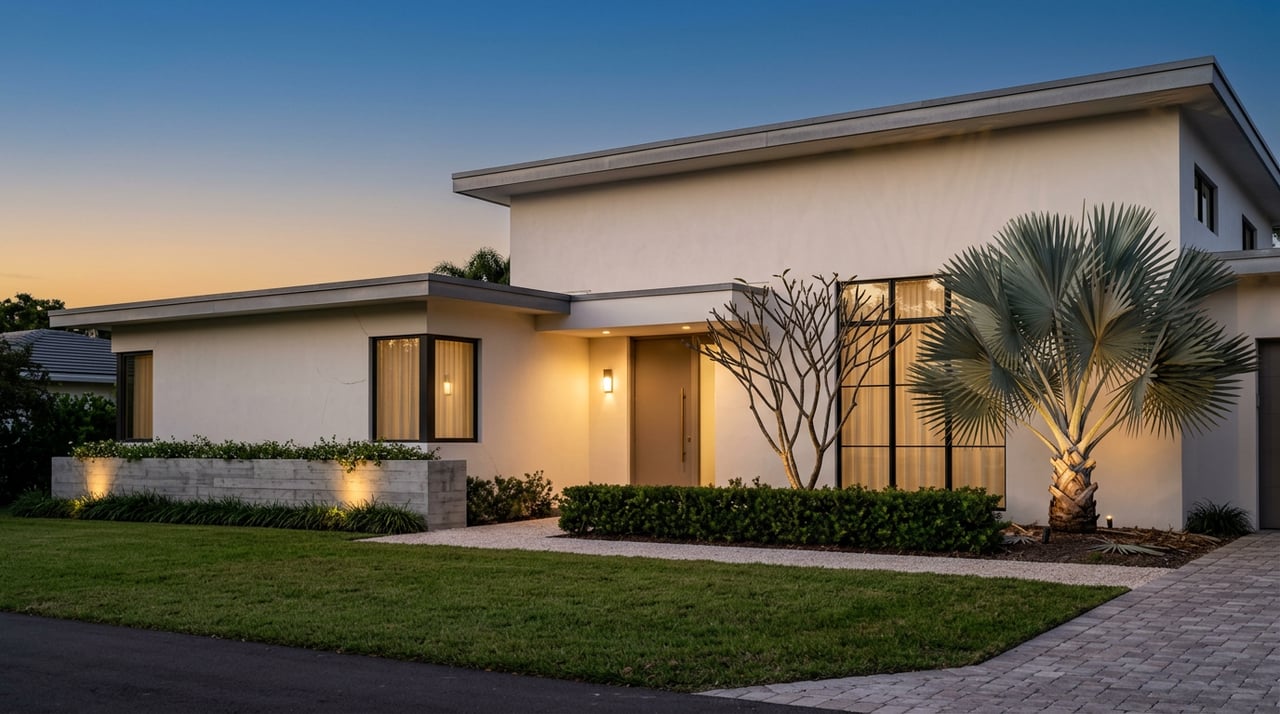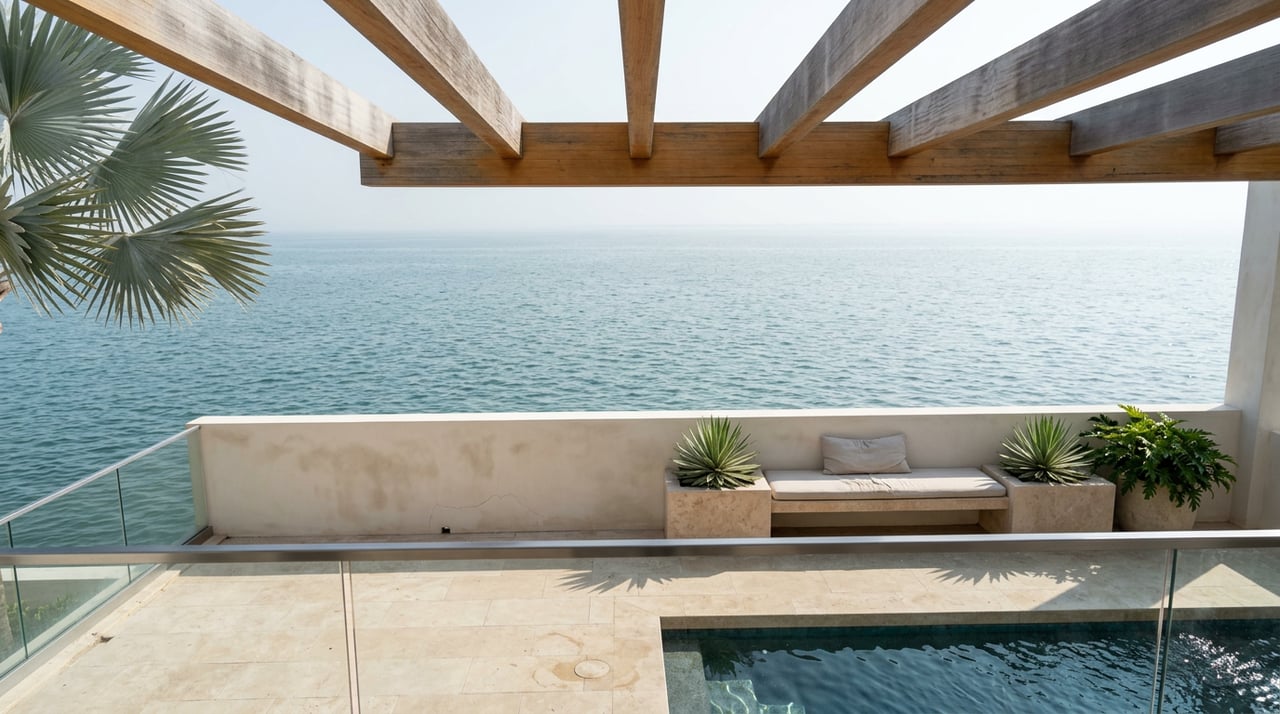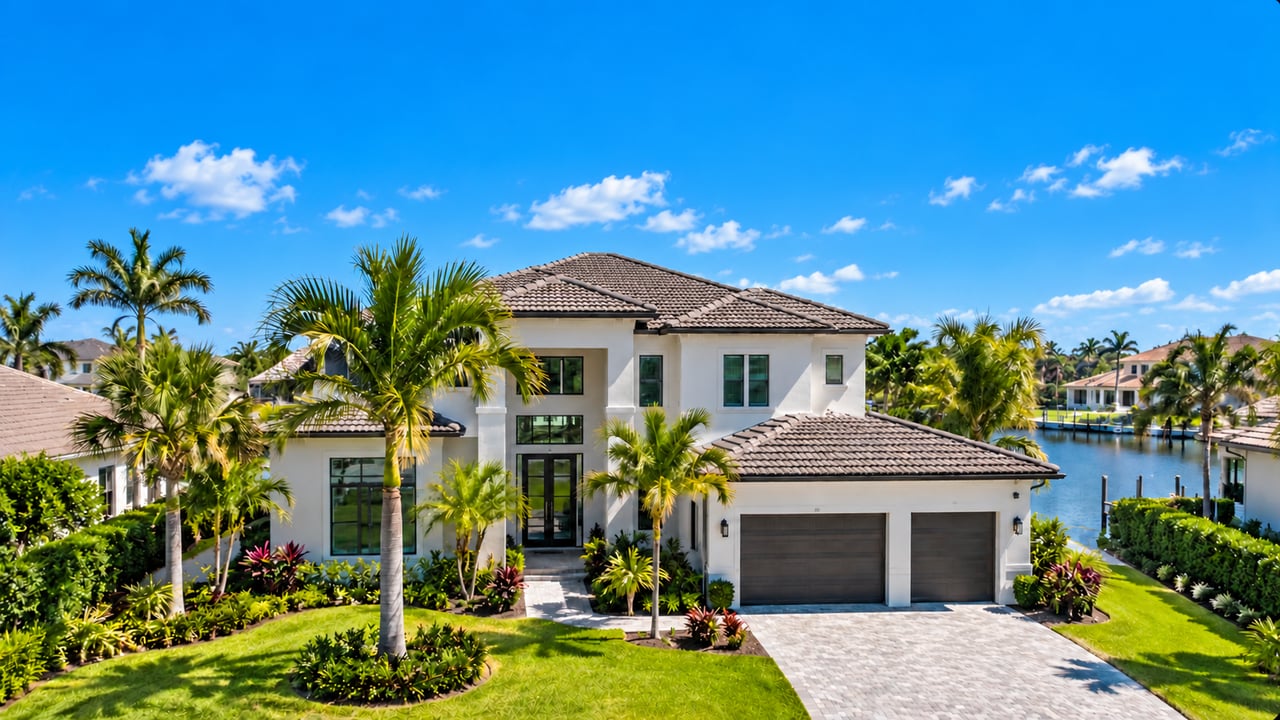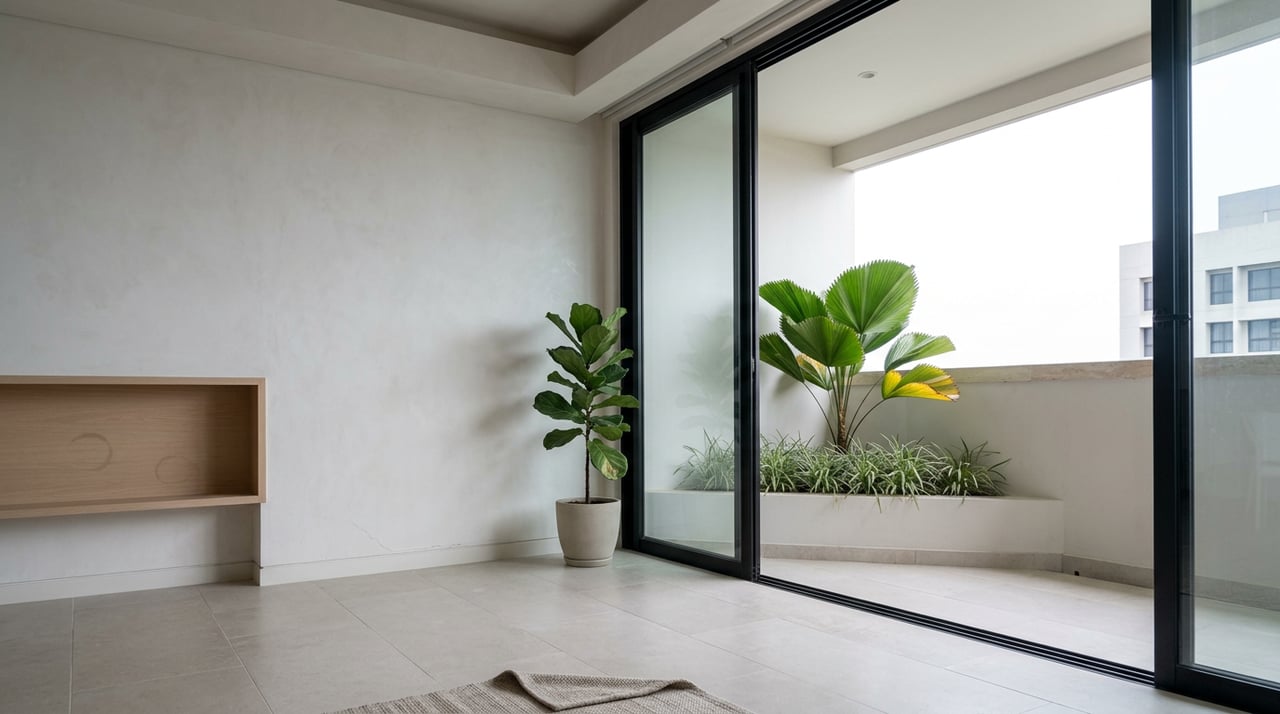
You can picture the sunrise over the Atlantic, but what does an ordinary Tuesday look like in a Juno Beach condo? If you are weighing a move or a seasonal place, you want more than glossy photos. You want to know how you will get to the sand, what the building rules feel like, and how busy it gets in winter. This guide gives you a clear, day-to-day view of condo living in Juno Beach, with practical tips to help you decide if it fits your lifestyle. Let’s dive in.
Juno Beach at a glance
Juno Beach sits on Florida’s east coast in Palm Beach County between Jupiter and the Lake Worth Inlet. It is a small, oceanfront town with a calm, community feel and limited commercial corridors compared with larger neighbors. The town’s scale and services reflect its size, which you can see in the snapshot from U.S. Census QuickFacts for Juno Beach.
The housing mix includes oceanfront and Intracoastal condos in low-rise and mid-rise buildings, plus a small number of single-family homes. Many condos work well as primary residences, second homes, or seasonal rentals, depending on association rules. For local ordinances, beach rules, and town services, the Town of Juno Beach official site is your go-to resource.
Beach life and public spaces
Juno Beach’s daily rhythm centers on the water. The Juno Beach Pier is a popular spot for sunrise walks, fishing, and quick chats with neighbors. Public beach access points and small beach parks are common, and many oceanfront buildings sit a short walk from the sand. You can confirm beach access details and pier information on the Town of Juno Beach site.
Marine life shapes the culture
Sea turtles are part of everyday life here. The local Loggerhead Marinelife Center leads education and rehabilitation programs and helps set the tone for sea turtle nesting season. During nesting months, beach lighting rules and nighttime behavior matter, and you will hear residents discuss hatchlings like locals talk about weather.
Inside condo communities
Most Juno Beach condo buildings focus on easy coastal living. Expect features that make it simple to enjoy the outdoors and relax with neighbors.
Amenities you see often
- Pool and sun deck, sometimes with ocean views
- Fitness room and social or clubroom
- Secure lobby or gated entry, elevators, and on-site management
- Assigned parking or garage, with guest-parking limits
- Beach-focused conveniences: outdoor showers, boardwalks to the sand, and storage for bikes or water gear
Rules that shape routines
HOA guidelines affect day-to-day life, including quiet hours, guest parking, pet policies, and seasonal maintenance schedules. Before you buy, review meeting minutes, reserve studies, and capital plans to understand both the culture and the budget. The Community Associations Institute offers helpful guidance on what to request and how associations typically operate.
Getting around and daily errands
Walkability depends on the building’s location. Oceanfront condos put you close to the sand and a few cafés, while full grocery runs and banking often mean a short drive to Jupiter or Palm Beach Gardens. Biking along Ocean Boulevard (A1A) is common on calm mornings, and U.S. 1 and I-95 make regional trips easy.
Airport and healthcare access
If you travel often, Palm Beach International Airport serves the area with major carriers and is the primary commercial airport nearby. You can check flight and access details at Palm Beach International Airport. For healthcare, Jupiter Medical Center is the closest major hospital, with additional specialists in West Palm Beach.
Ownership essentials to consider
Condo living is convenient, but it comes with specific responsibilities. A little homework upfront makes daily life smoother after closing.
Insurance and flood awareness
In coastal condos, two layers of insurance are standard. The building carries a master policy that covers common areas and the structure as defined in its documents. You, as an owner, carry an HO-6 policy for your interior and personal property. Flood risk varies by location and elevation, and parts of Juno Beach fall within FEMA flood zones. Review maps for any property you are considering through the FEMA Flood Map Service Center.
Hurricane readiness
Florida building codes have strengthened over time. Many newer or updated buildings feature impact-rated windows and doors, and some associations require shutters or pre-storm procedures. Ask about building age, recent improvements, and power restoration plans so you know what to expect during storm season.
Short-term rentals and guests
Short-term rental rules are set by a mix of town ordinances and your building’s condo documents. Some associations prohibit short stays while others allow them with permits or minimum terms. Confirm rules directly with the association and consult the Town of Juno Beach for local regulations before assuming rental income.
Utilities and services
Florida Power & Light is the primary electric utility for the area, so service accounts and storm updates flow through FPL. Internet and TV are typically provided by major carriers, which vary by building wiring. Trash and recycling are coordinated by the town or county, often with the association managing common-area service.
Seasonal rhythms to expect
High season runs roughly November through April, when seasonal residents return and visitors arrive. You will notice busier restaurants, fuller pools, and more lobby traffic. Elevator waits stretch, and service providers book out quickly.
Off-season brings quieter days, easier parking, and a relaxed pace. Summer’s heat and afternoon thunderstorms are part of the tradeoff, along with hurricane season from June 1 through November 30. Many residents schedule maintenance, painting, or minor renovations during slower months.
How Juno Beach compares nearby
- Jupiter: More retail, medical, and dining options, plus extensive marinas. Many Juno Beach residents drive there for groceries and services.
- Singer Island: Denser high-rise condo scene with more resort-style amenities and busier visitor traffic.
- Palm Beach and West Palm Beach: Palm Beach offers luxury retail and private clubs, while West Palm Beach brings a larger urban core with cultural venues and year-round activity.
- Delray Beach and Boca Raton: Delray has an energetic downtown arts and dining scene. Boca adds large-scale suburban amenities and business centers.
Quick condo living checklist
- Walk the route from your building to the beach and note beach access points and lighting rules during nesting season.
- Review HOA minutes, budgets, reserve studies, and any special-assessment history before you write an offer.
- Ask about hurricane features: impact glass, shutters, generator plans, and pre-storm procedures for elevators and common areas.
- Confirm parking: number of assigned spaces, guest-parking policies, and any seasonal restrictions.
- Verify rental policy and minimum lease terms with the HOA and town.
- Check flood maps and insurance requirements for the property’s location and elevation.
- For up-to-date market trends and inventory, consult regional reports from Florida Realtors and your agent’s local analysis.
Ready to explore Juno Beach?
If you want a small coastal town with easy beach access, nature-forward culture, and quick trips to bigger-city amenities, Juno Beach may be the right fit. You can experience sunrise at the pier, a quiet afternoon by the pool, and an evening drive to Jupiter or West Palm for dinner, all in the same day. When you are ready to tour buildings, compare HOA health, and understand insurance and flood considerations, reach out to Joel Poulin to schedule your complimentary listing consultation and market snapshot.
FAQs
What is daily life like in a Juno Beach condo?
- Expect easy beach access, outdoor routines centered on the pier and shoreline, building amenities like pools and fitness rooms, and a calm, small-town pace with nearby errands by car.
How does high season affect condo living in Juno Beach?
- From November through April you will see more residents and visitors, fuller amenities, busier restaurants, and longer elevator waits, while summer is quieter with afternoon storms.
Do I need flood insurance for a Juno Beach condo?
- It depends on your building’s location and elevation; review the property on the FEMA Flood Map Service Center and confirm requirements with your lender and HOA.
What condo amenities are common in Juno Beach buildings?
- Pools, fitness rooms, social spaces, secure entries, elevators, assigned parking, and beach-focused features like outdoor showers and gear storage are common.
Who provides electricity to Juno Beach condos?
- Florida Power & Light is the primary electric utility for the area.
What are typical HOA rules I should expect?
- Quiet hours, guest parking limits, pet policies, rental restrictions, and seasonal maintenance schedules are common; request documents and guidance like that from the Community Associations Institute.
How far is the nearest major airport from Juno Beach?
- The area is served by Palm Beach International Airport, which is the principal nearby commercial airport.
Where is the nearest hospital to Juno Beach?
- Jupiter Medical Center is the closest major hospital, with additional specialists available in West Palm Beach.